Two-Day Butoh Workshop
“There Will Never Be a Perfect Time?”
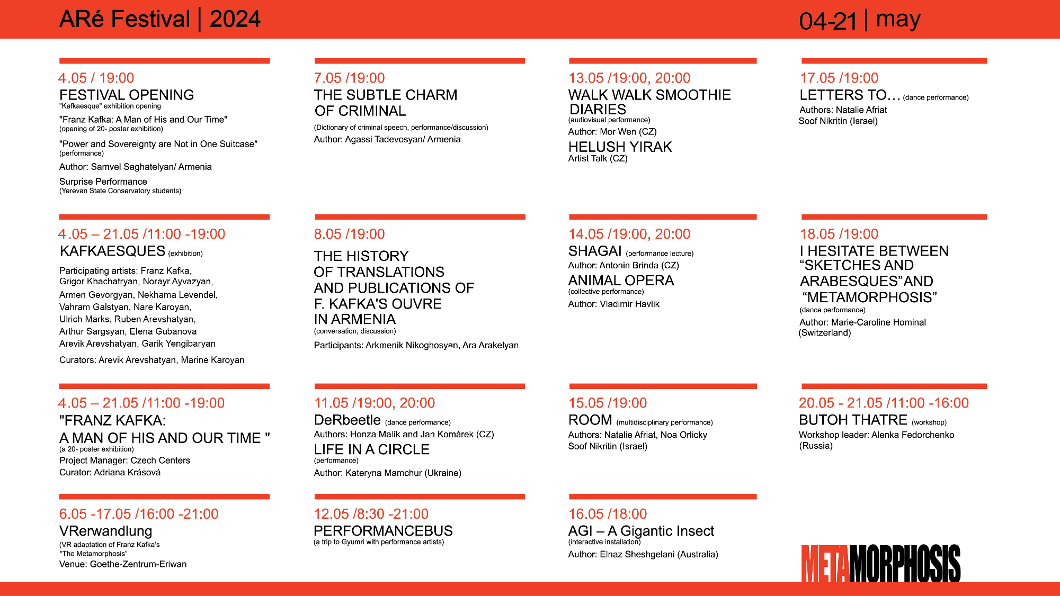
As part of METAMORPHOSIS, the tenth edition of ARé Fest, dedicated to the centenary of Franz Kafka’s death.
May 20–21, 2024
Yerevan, Armenia
2 Abovyan Street
Basement of the Arno Babajanyan Concert Hall
Conducted in Armenian, Russian, and English.
At the time, I perceived this project as a failure. Yet the fruits of that experience nourished me with knowledge and courage that I continue to carry into other projects.
The Original Idea
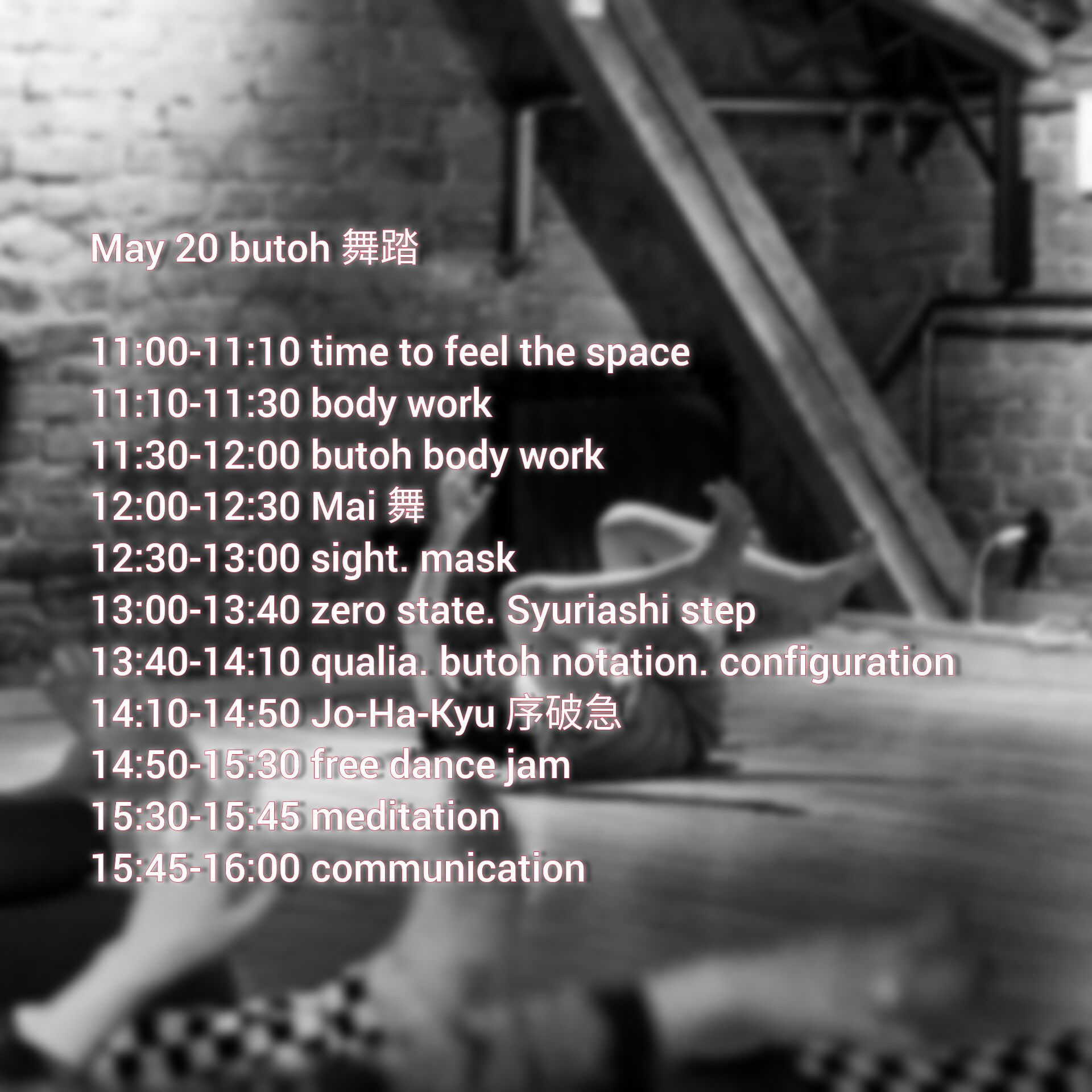
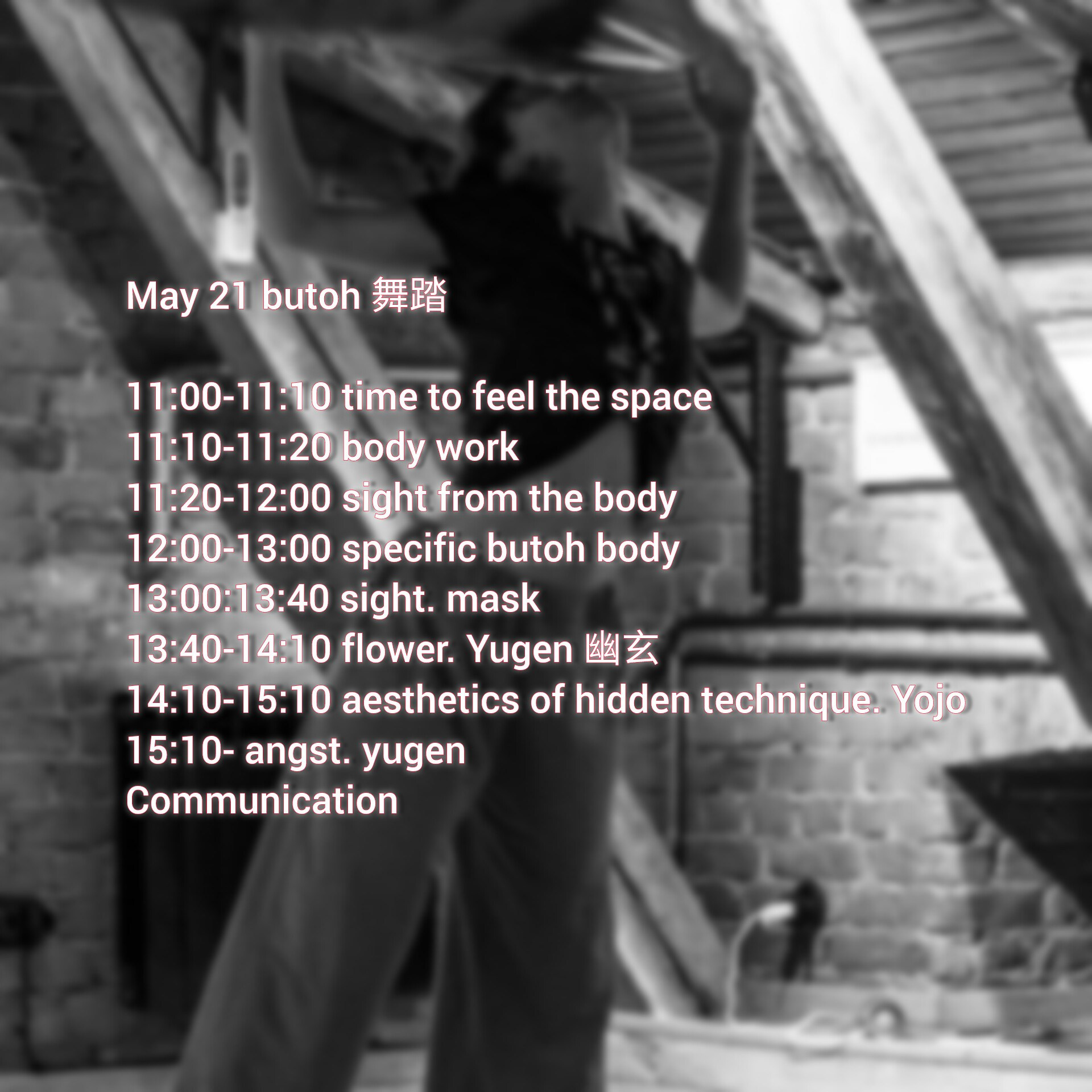
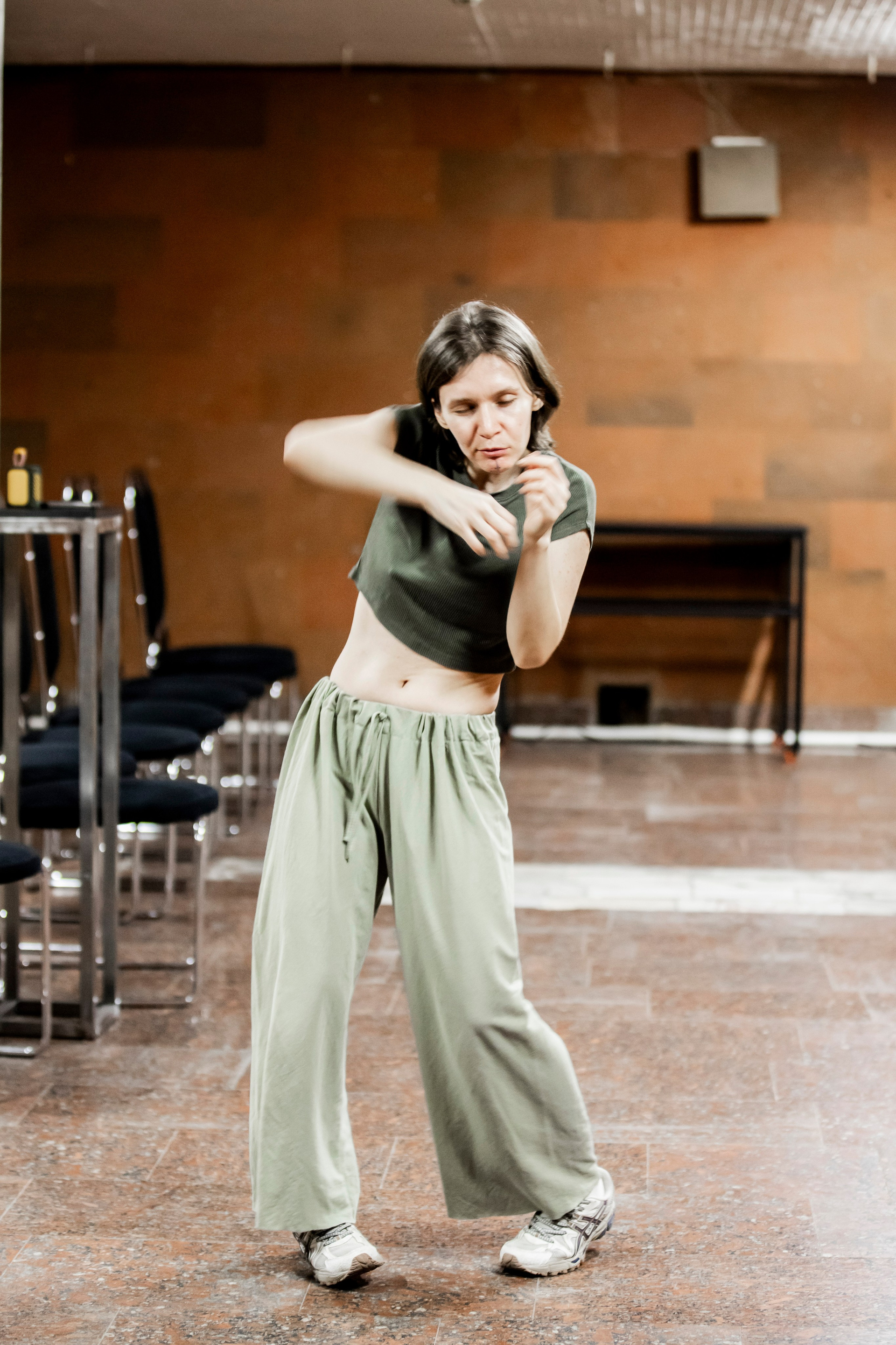
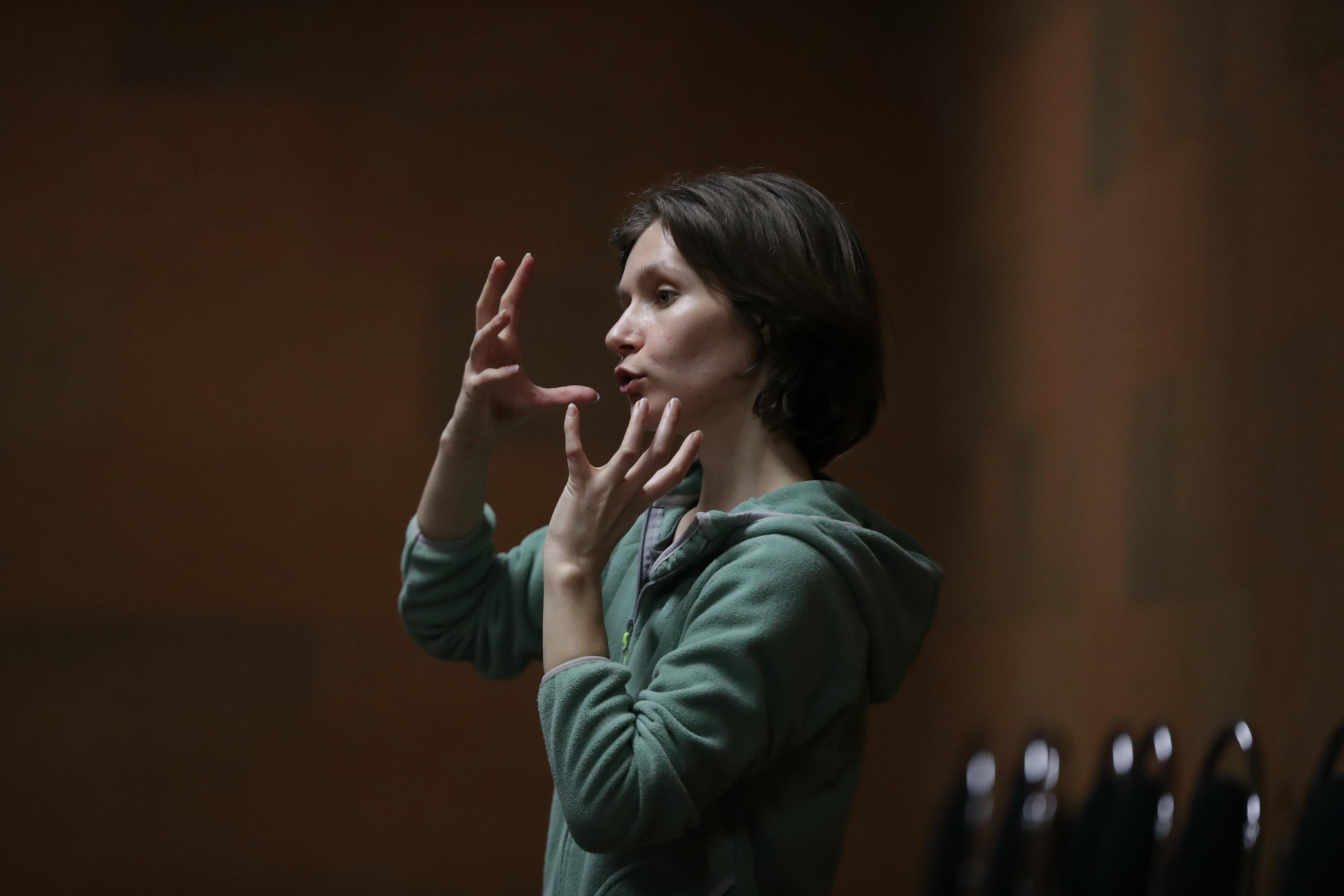
I prepared a ten-hour Butoh program combining practical exercises with short theoretical blocks drawn from my accumulated experience, interviews, lectures, writings of the founders and masters of Butoh, exercises from workshops I had attended, and my own developments.
Texts in three languages were printed and placed throughout the space. They were also voiced using a text-to-speech application and compiled into two five-hour audio tracks, one for each day of the workshop.
The idea was simple: at the beginning of each day, the audio track would start playing. Participants could arrive at any moment and either join the exercise currently being announced and repeated in English, Russian, and Armenian, or choose whatever practice seemed most interesting from the printed materials.
I imagined a space filled with people immersed in practice, silently exploring themselves alongside curious observers. Any given moment could become someone’s beginning, ending, or any other point within a shared and individual experience of changing time.
What Actually Happened
Day One
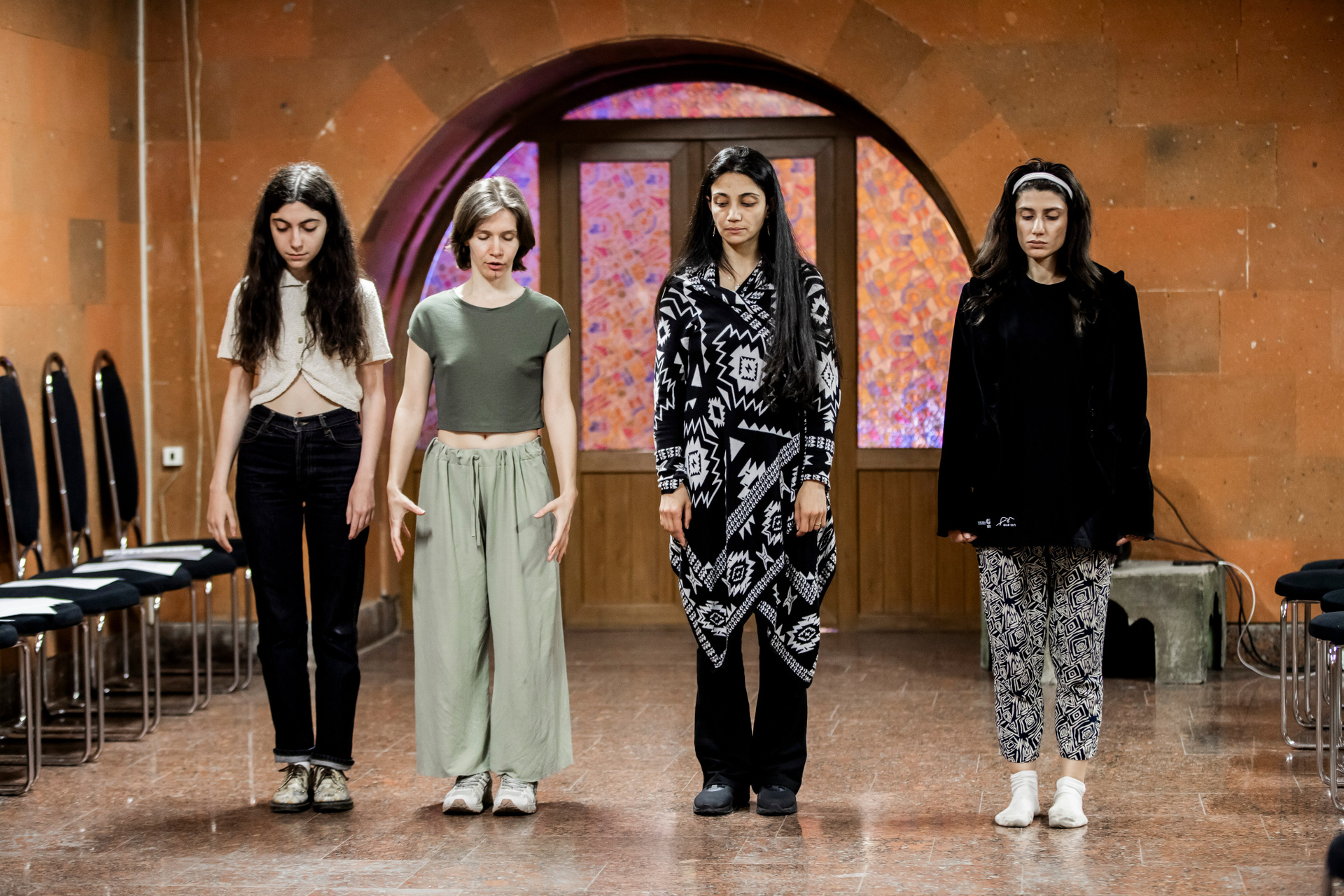
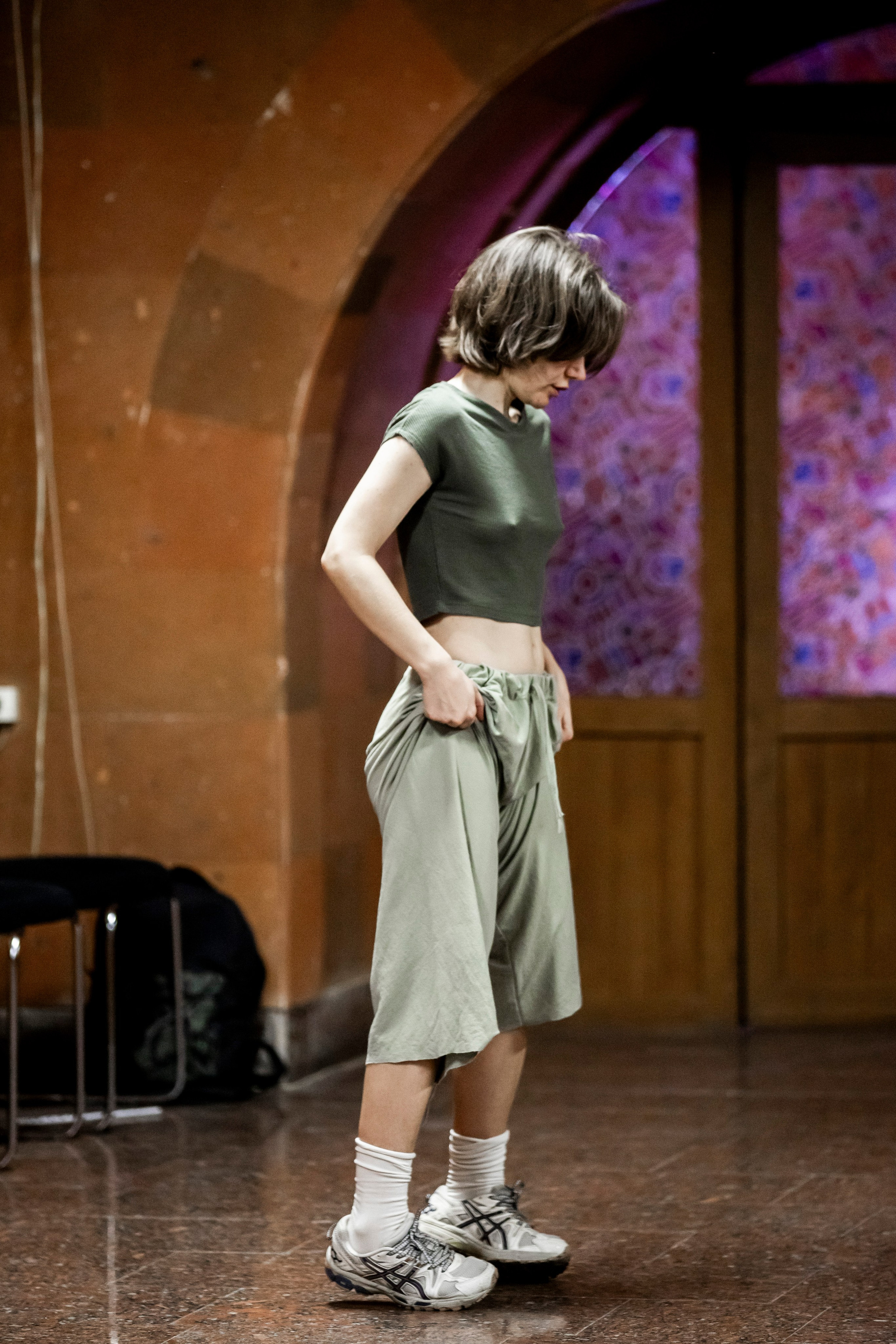
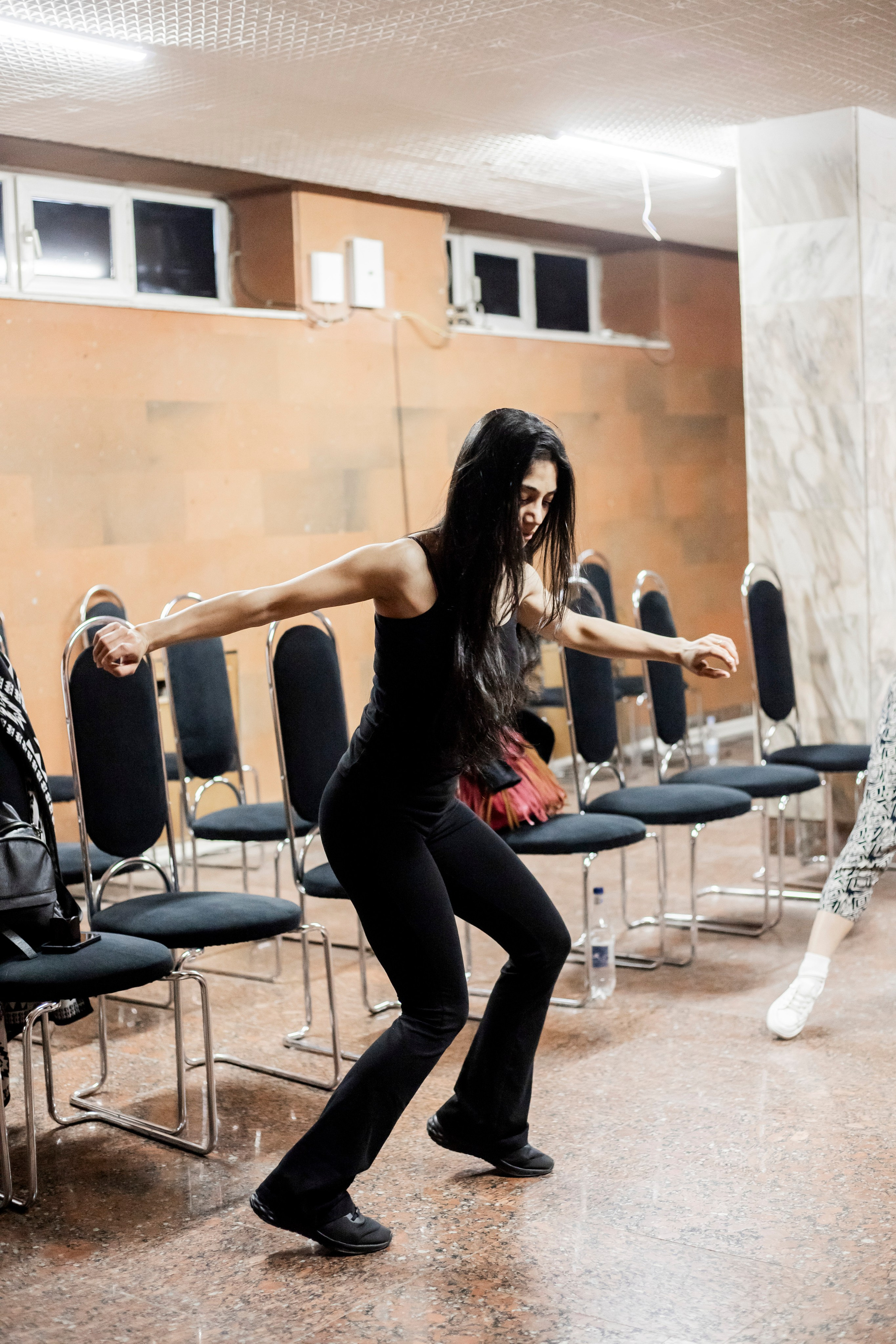
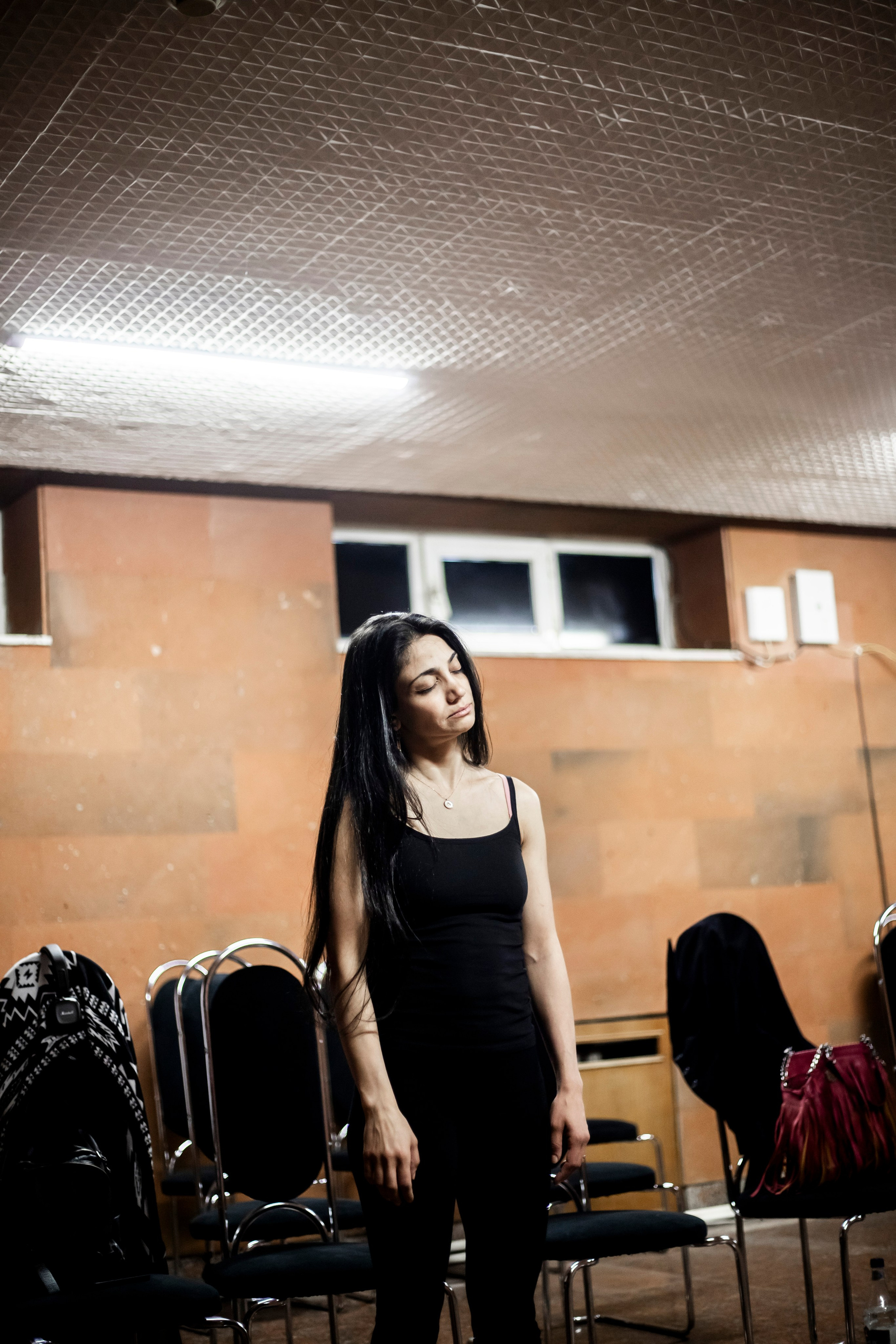
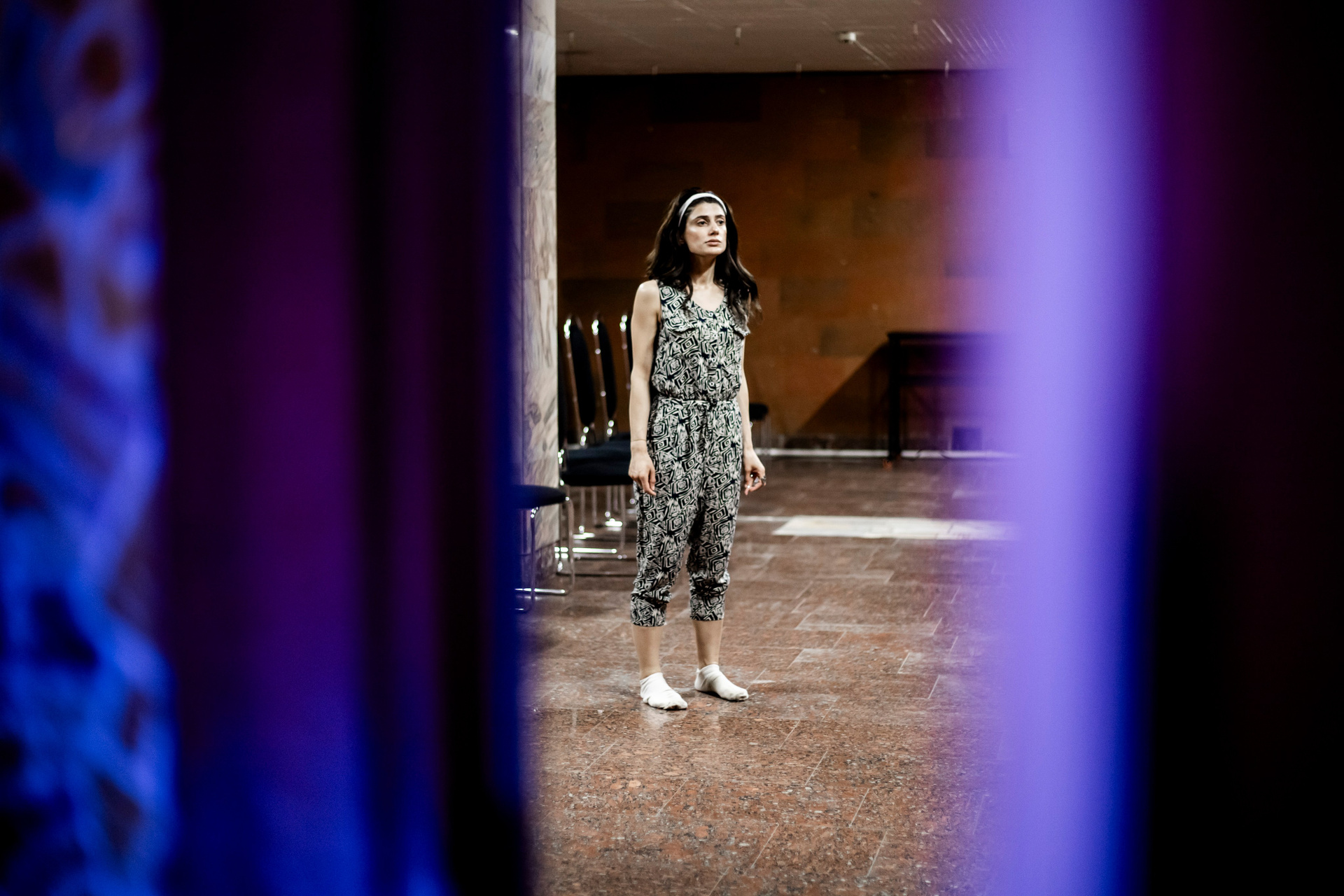
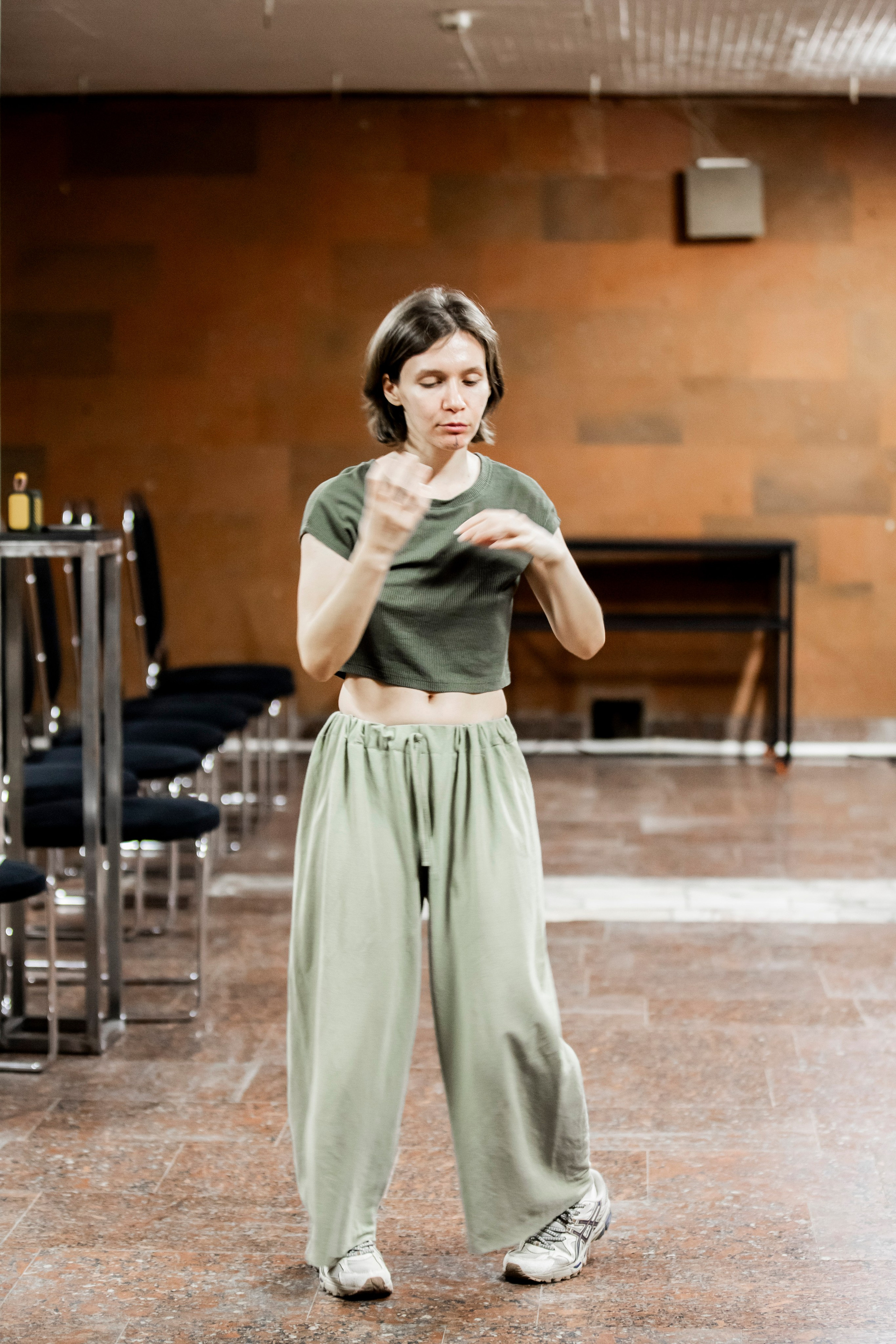
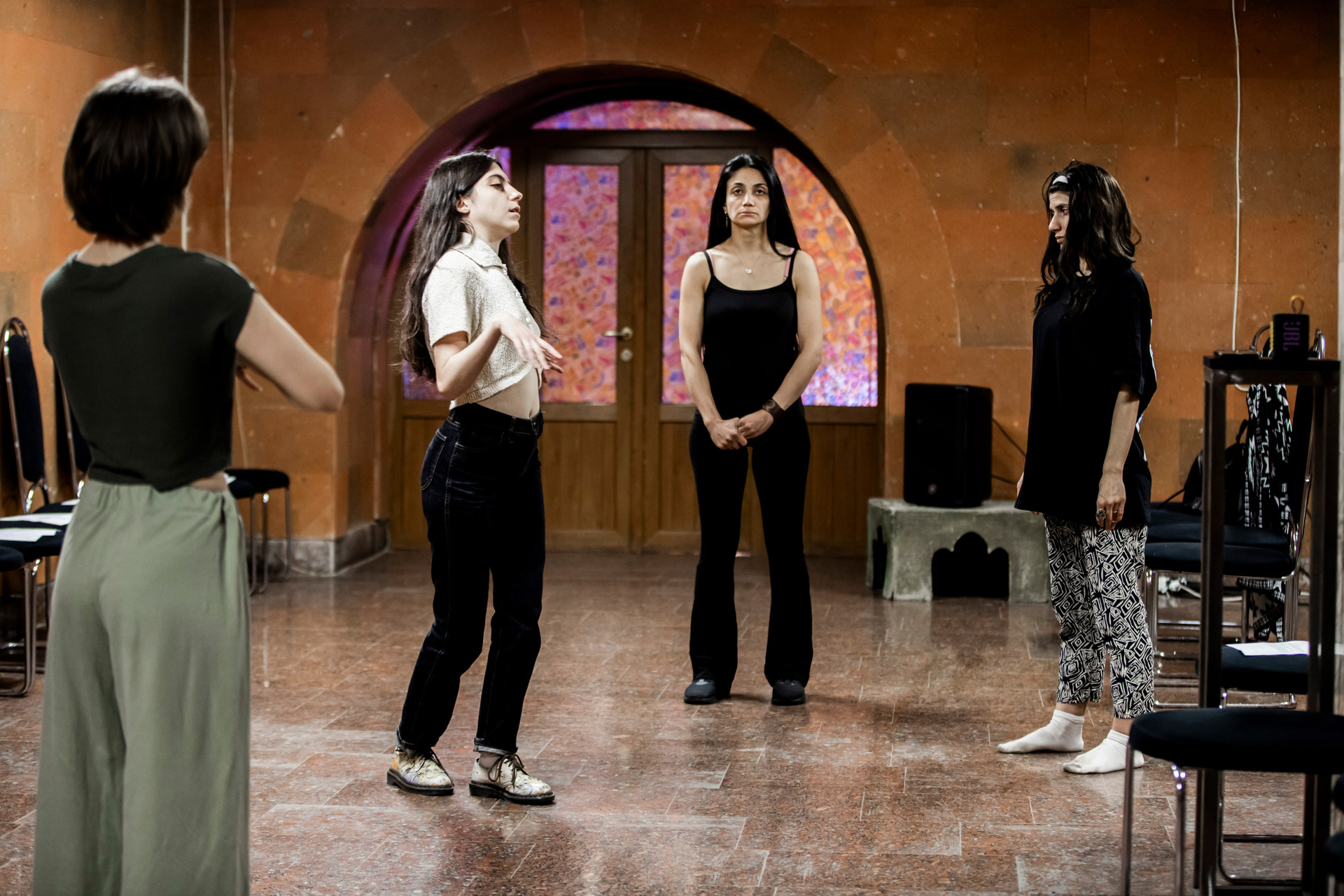
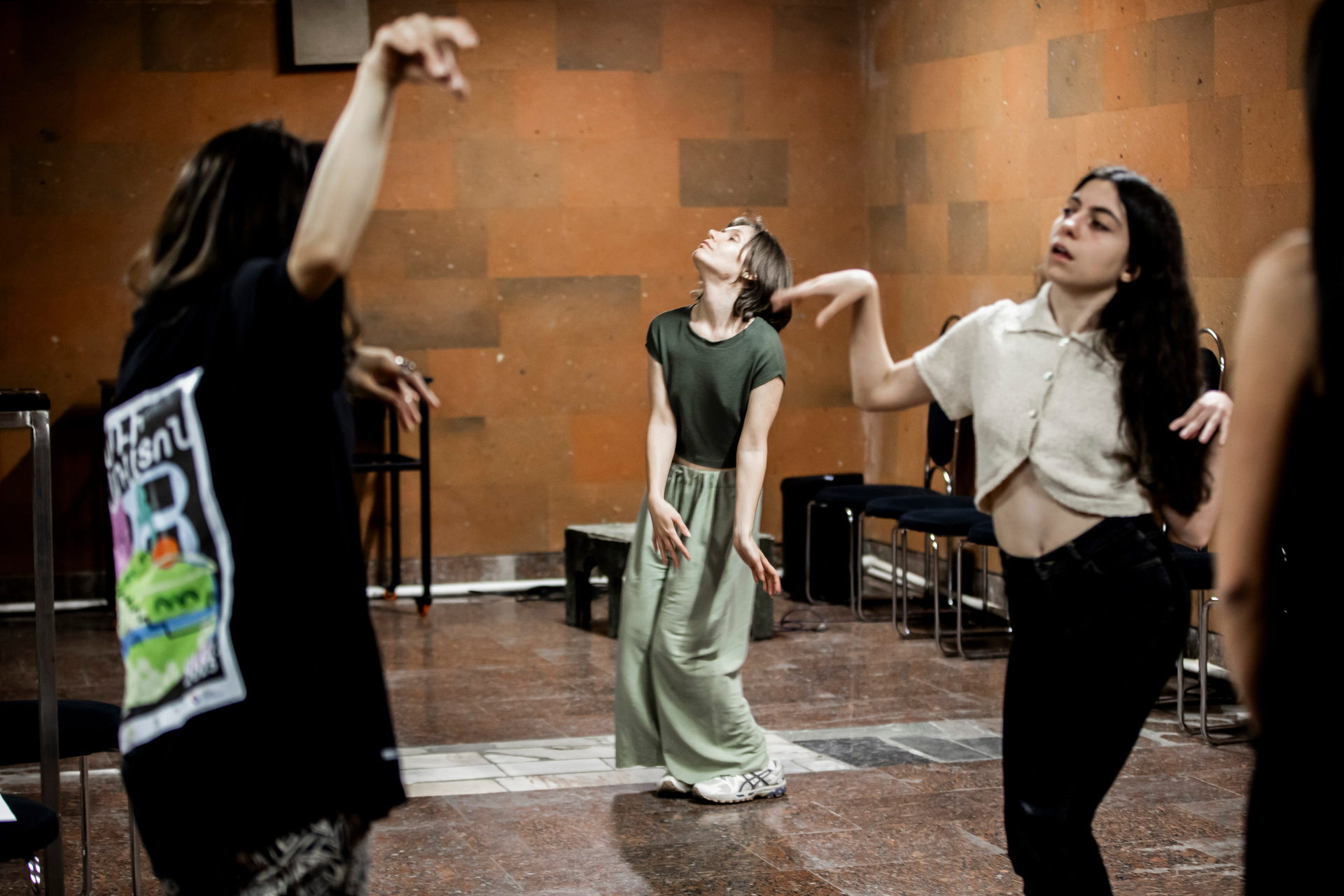
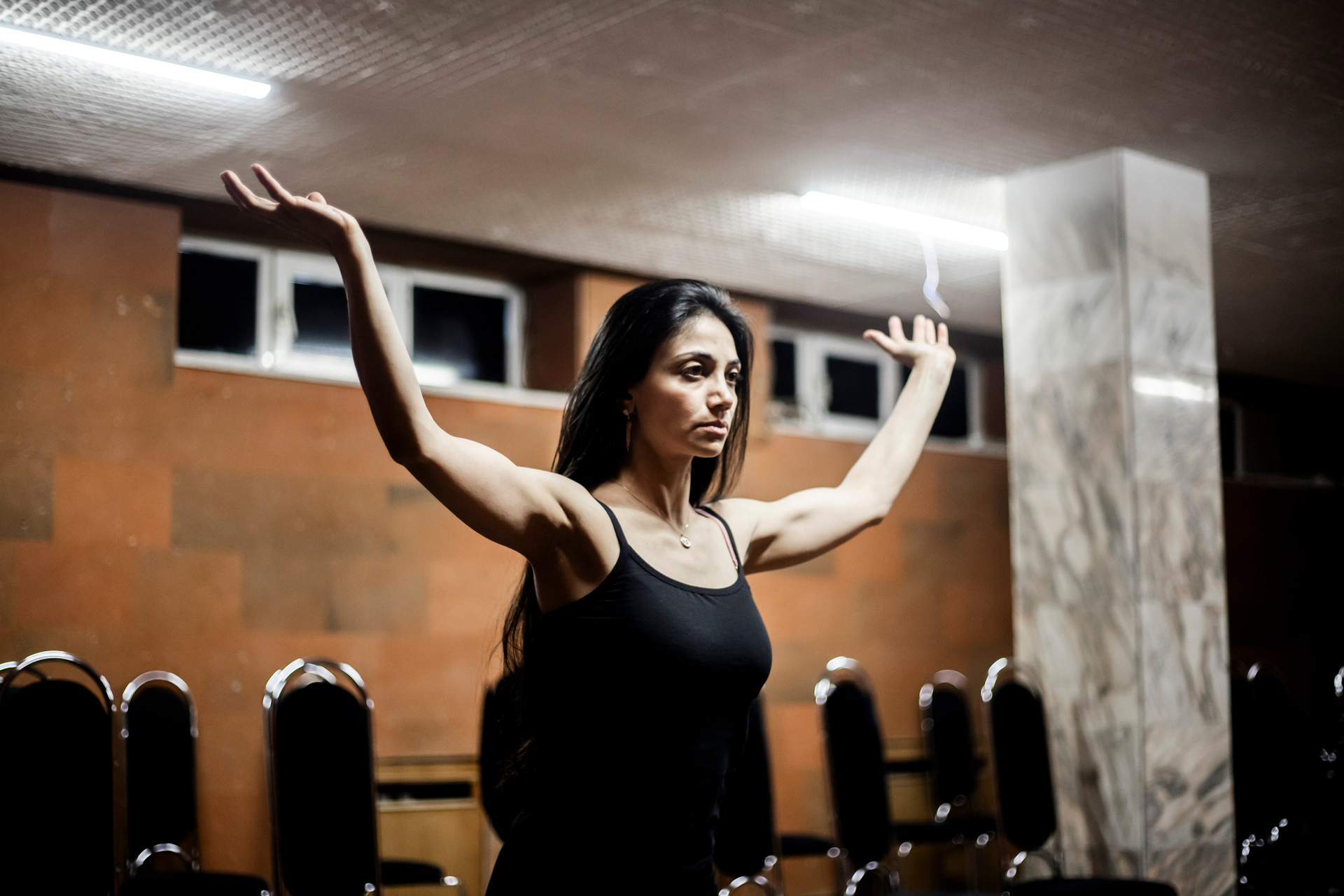
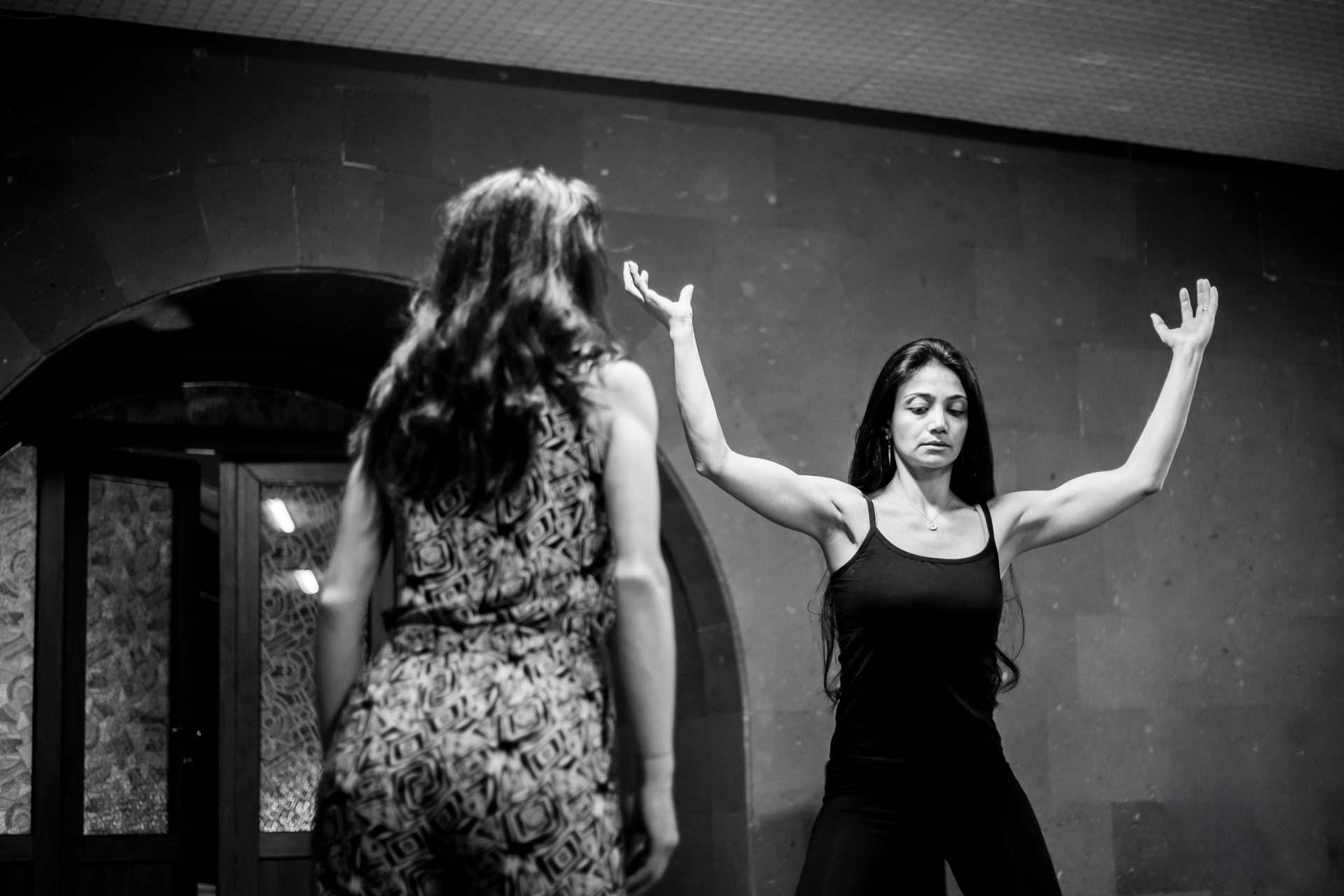
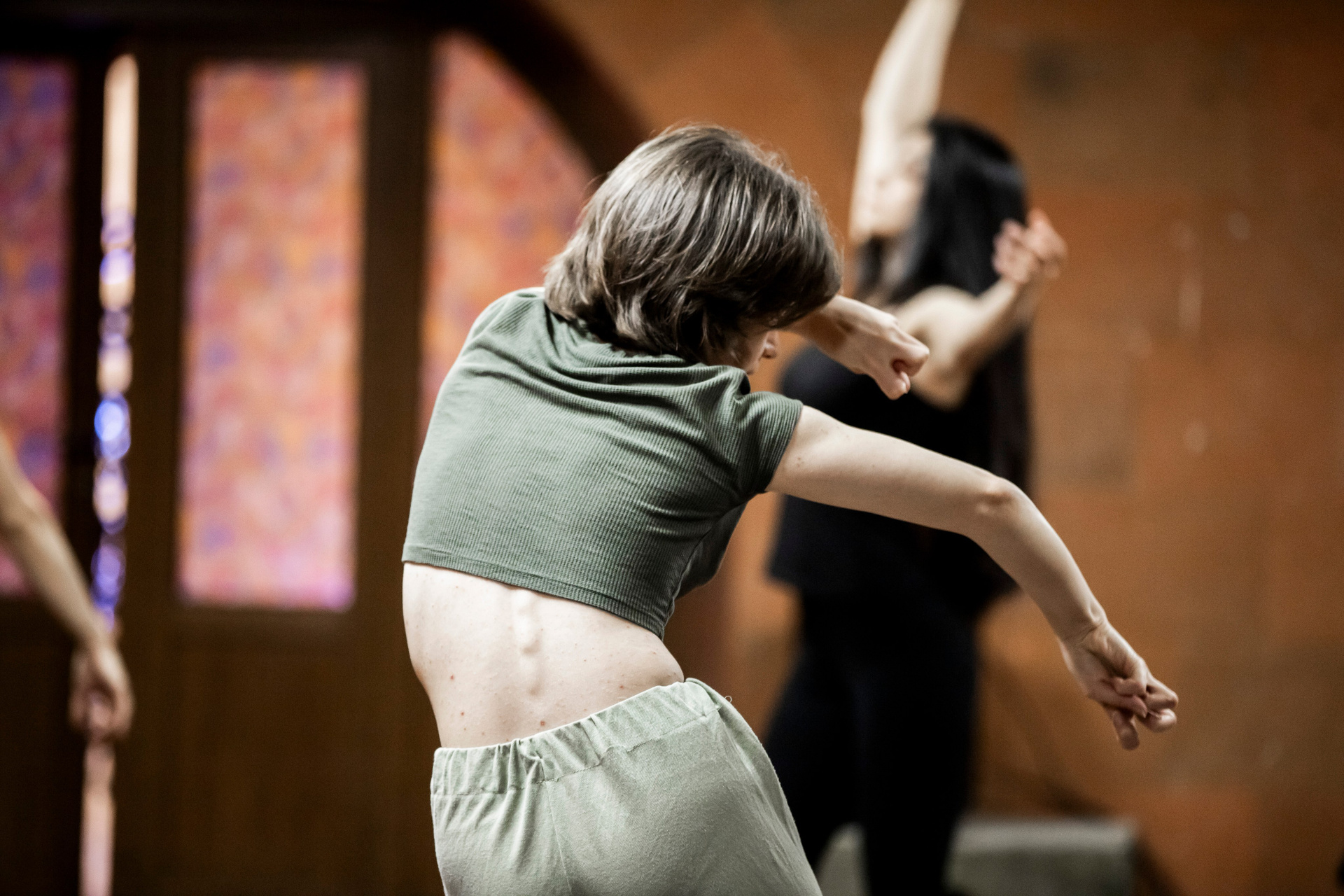
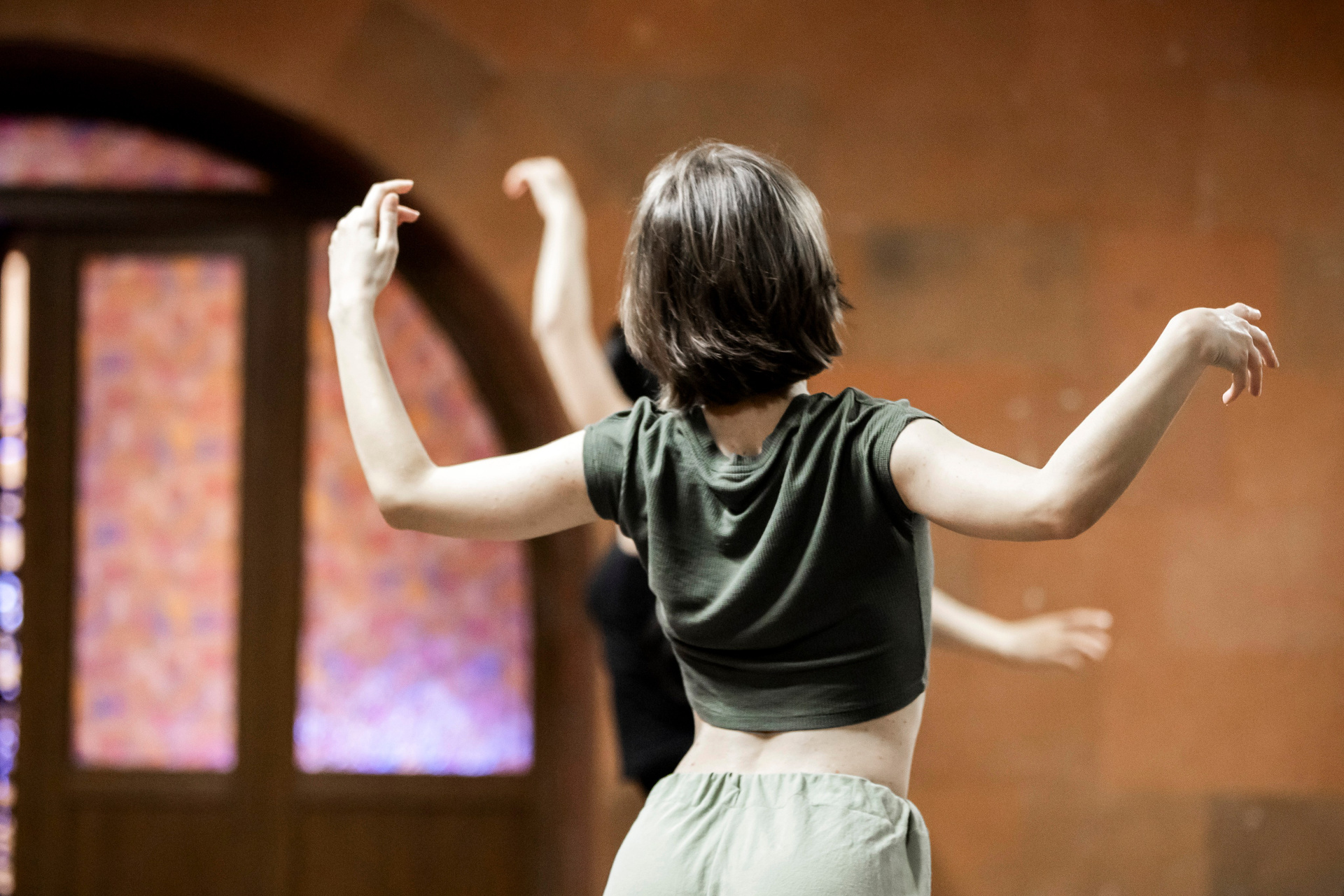
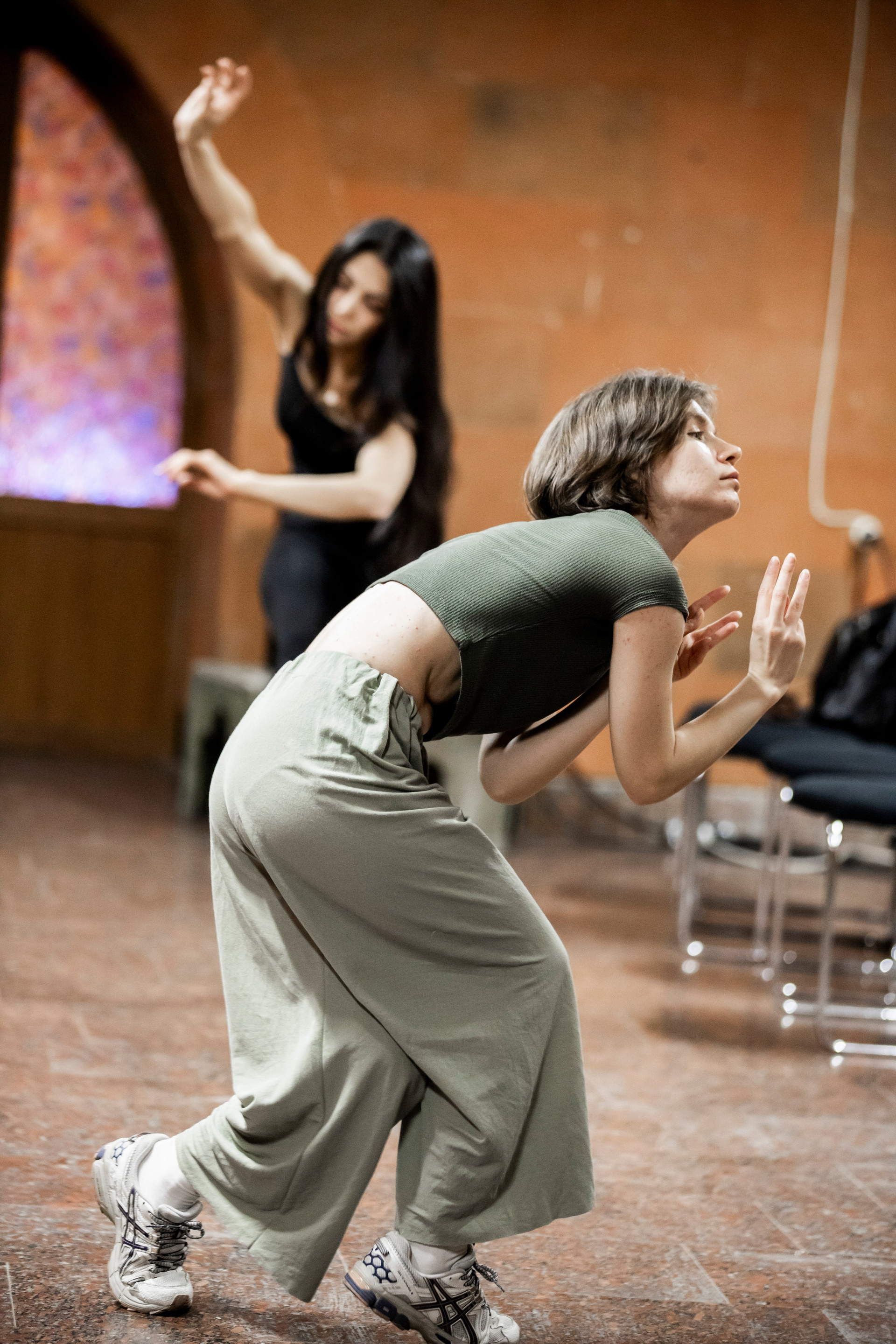
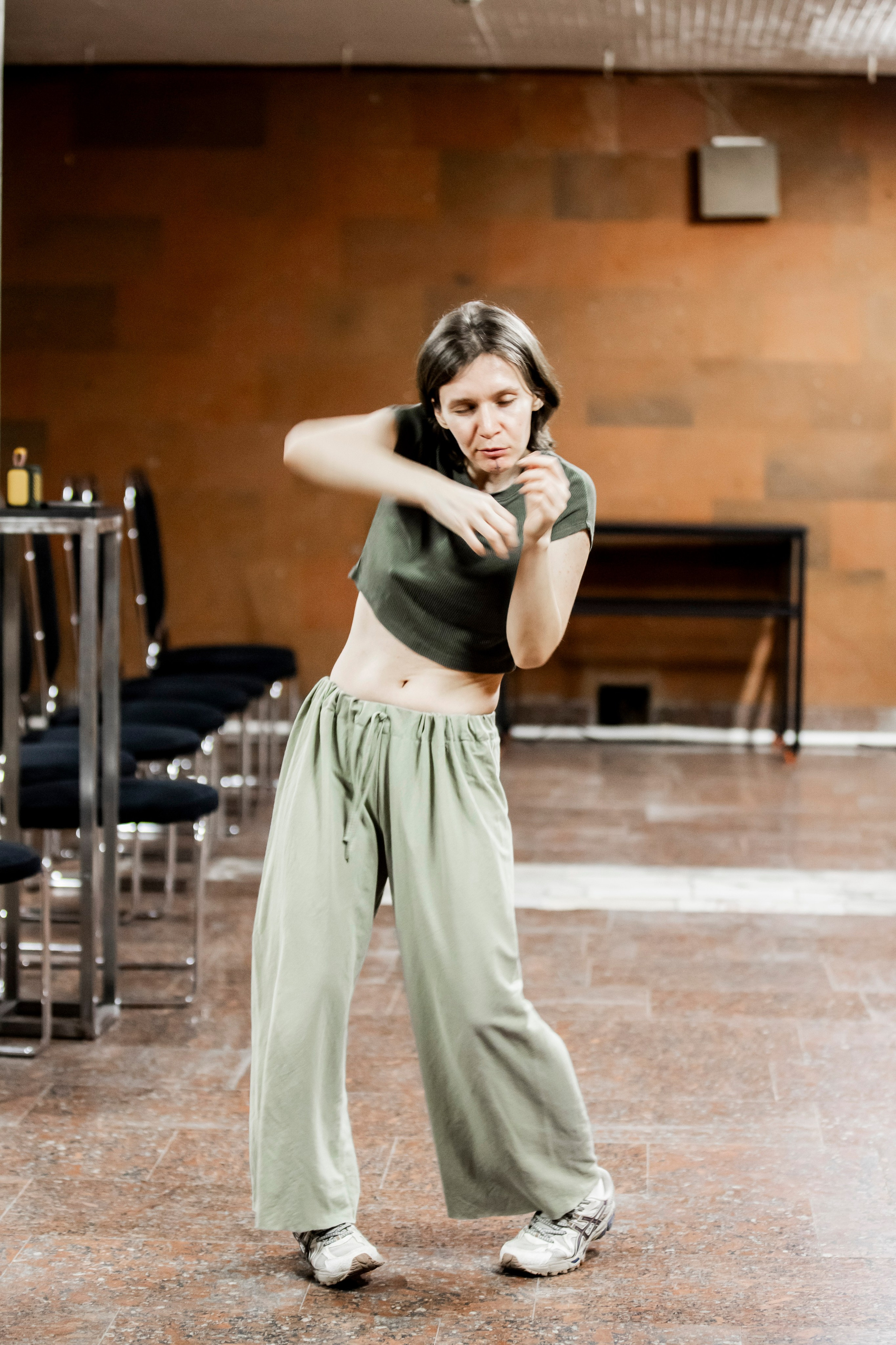
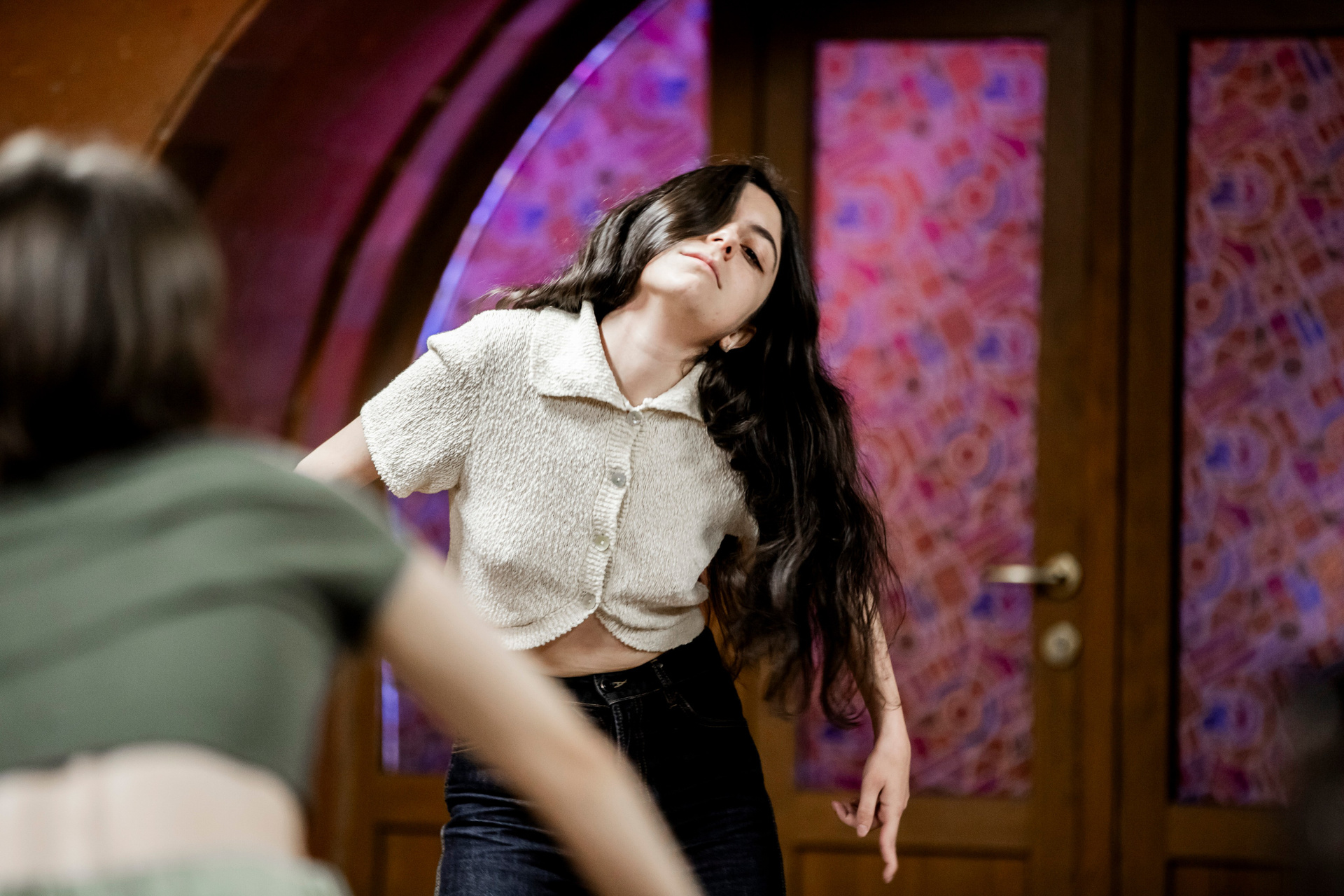
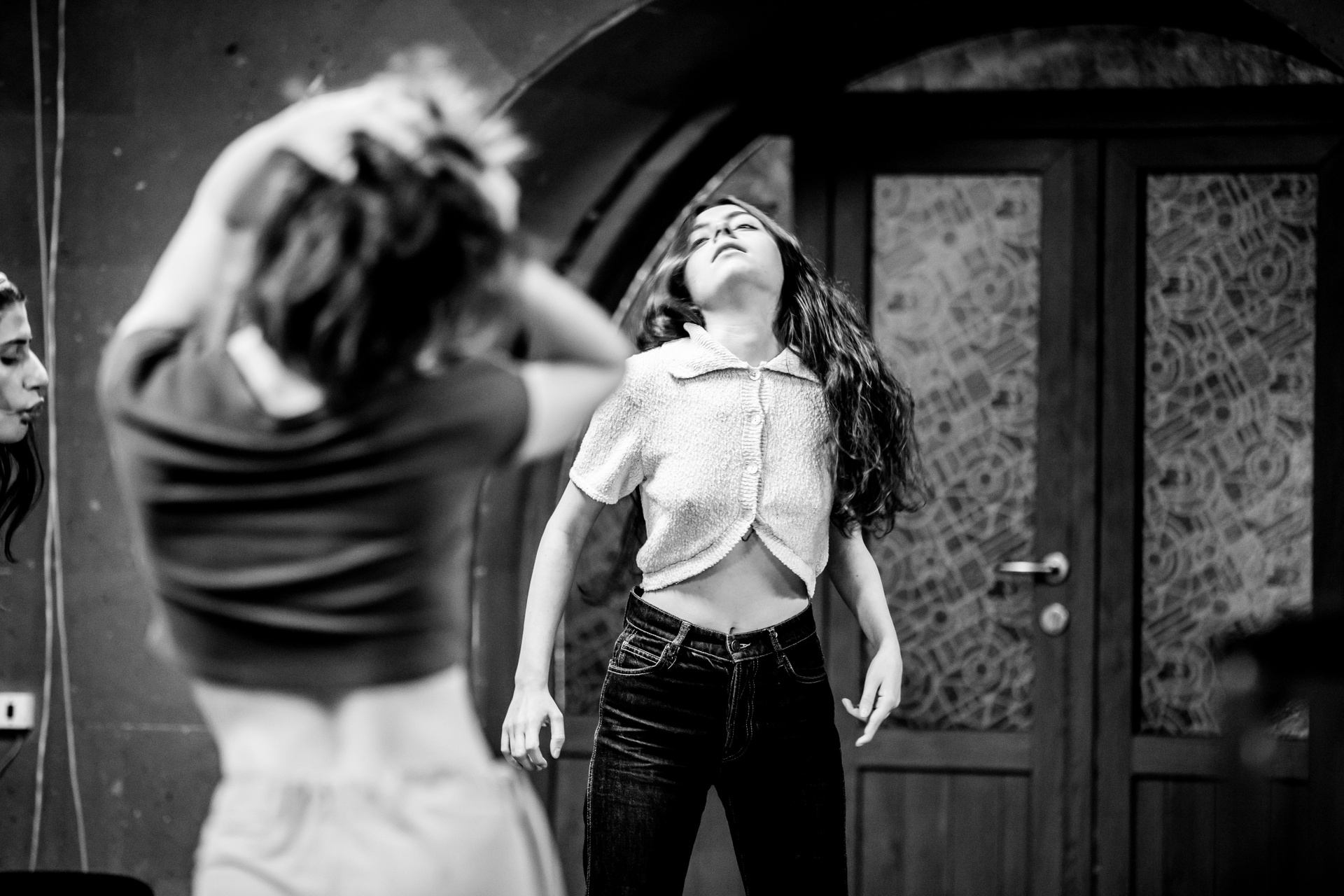
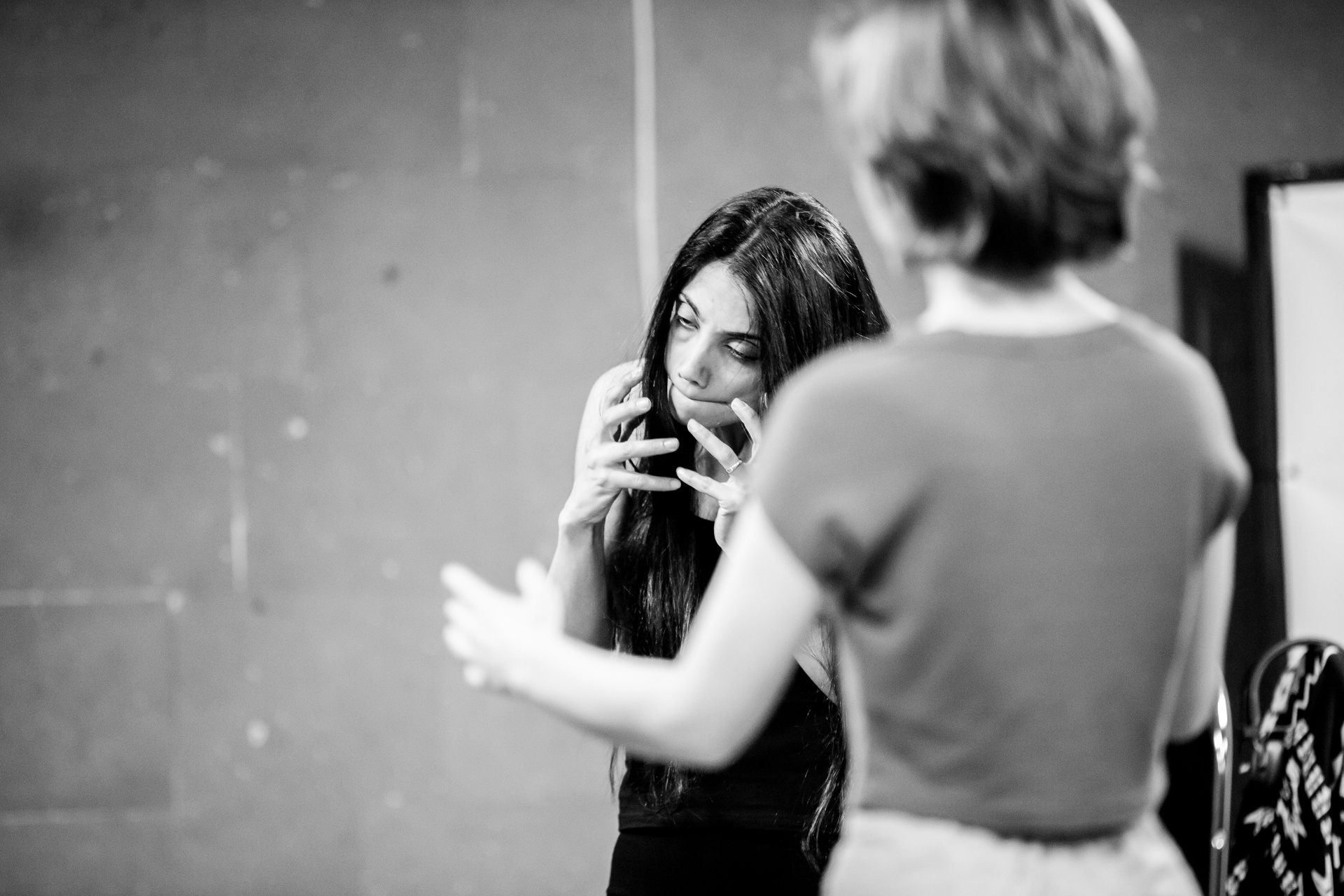
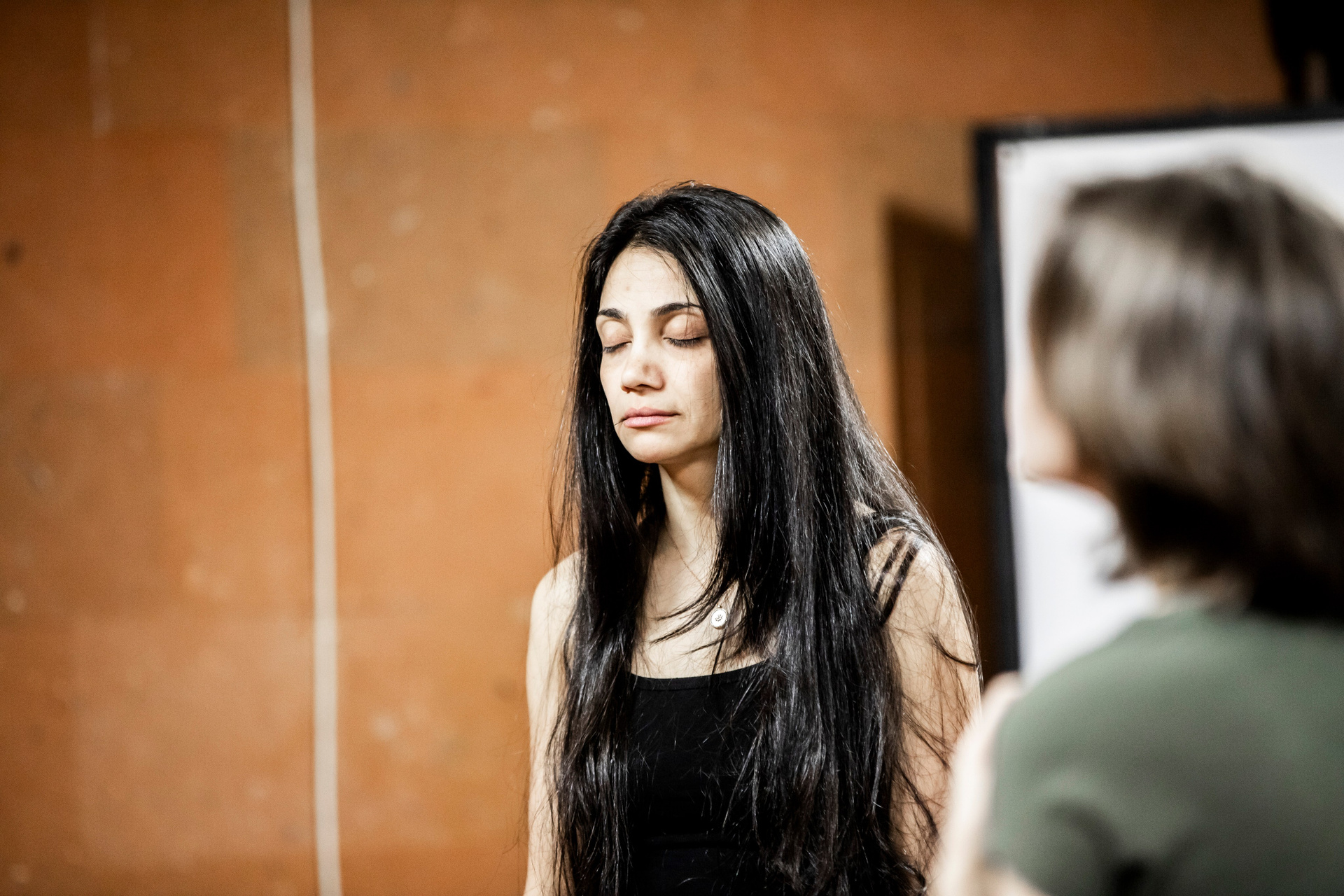
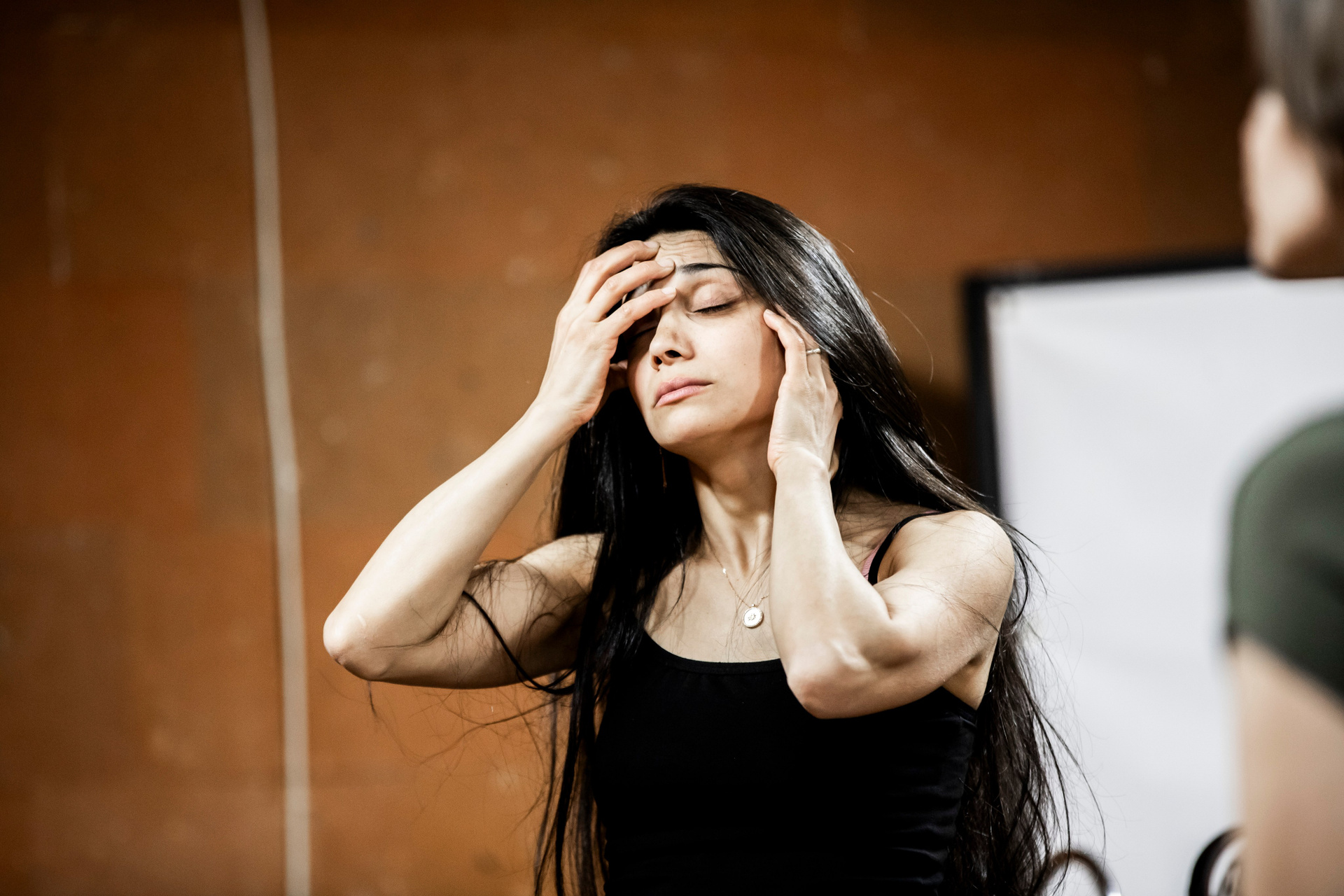
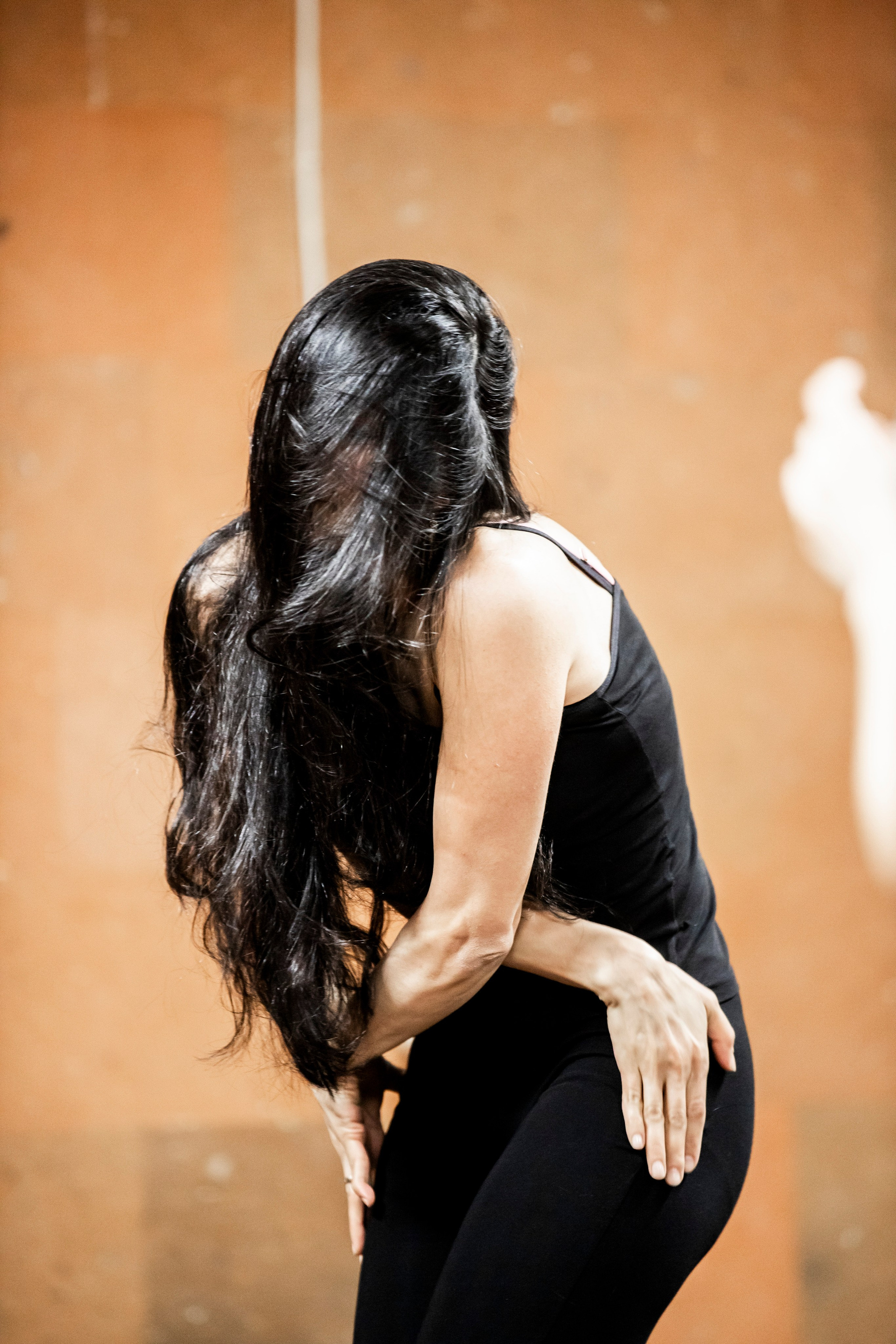
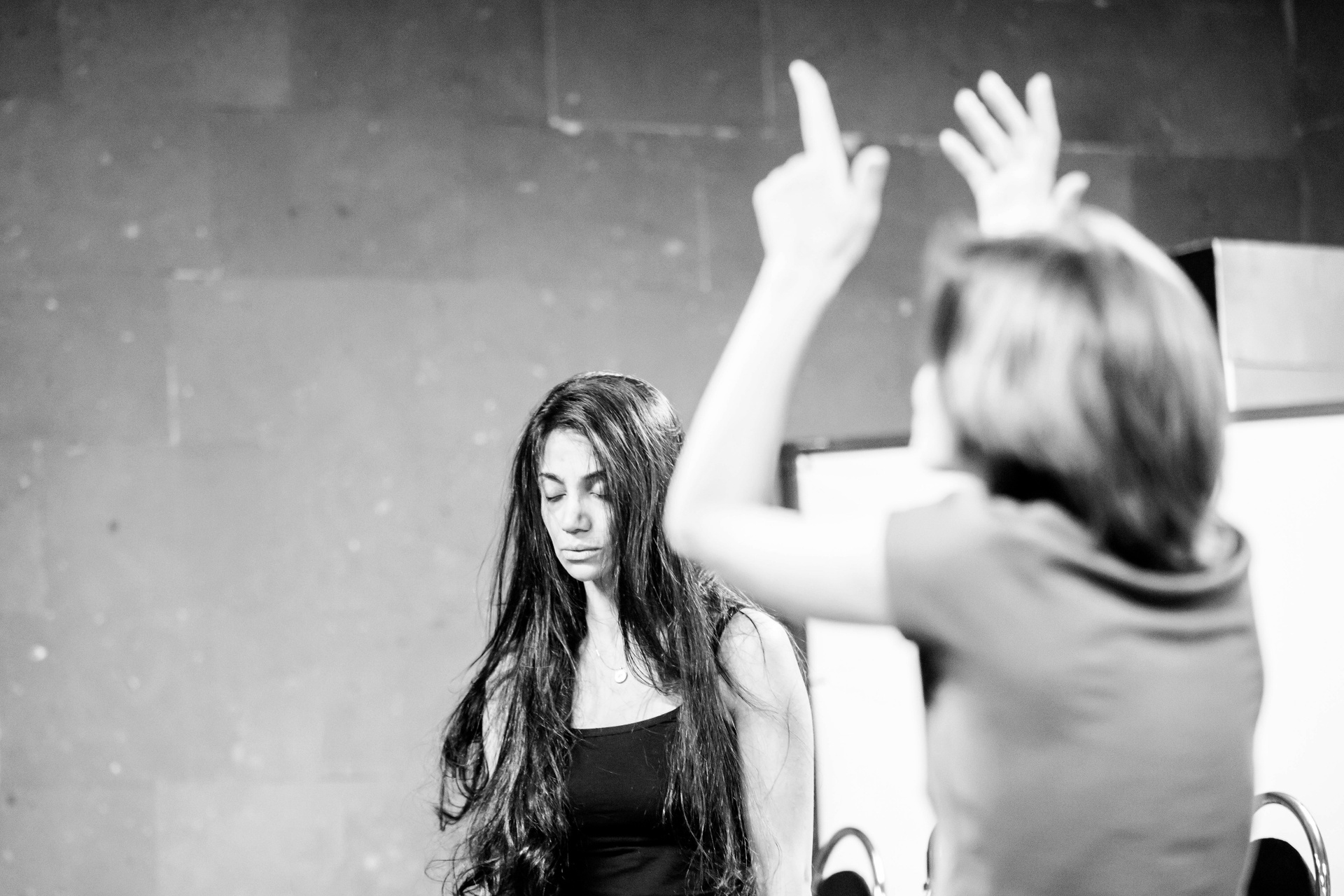
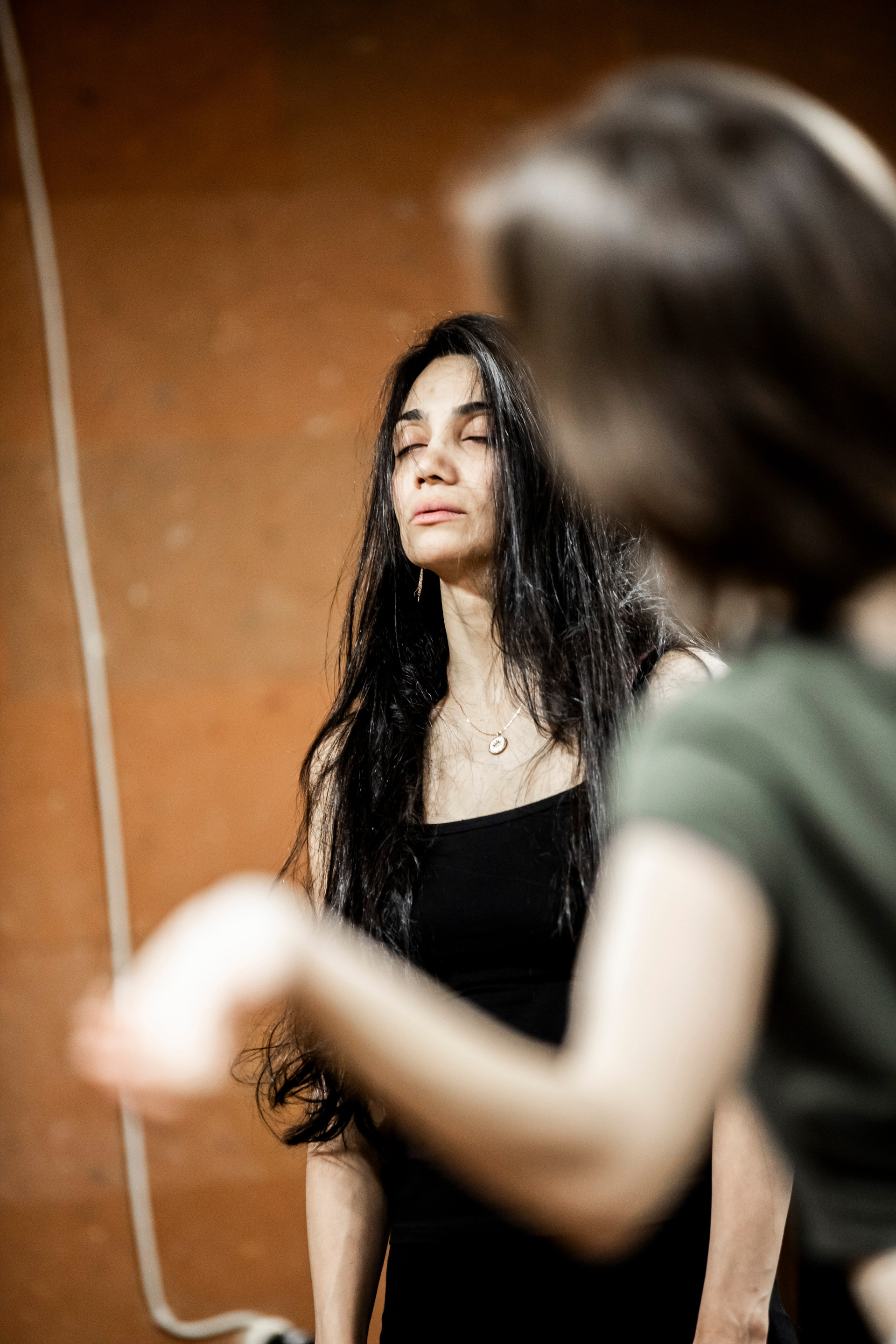
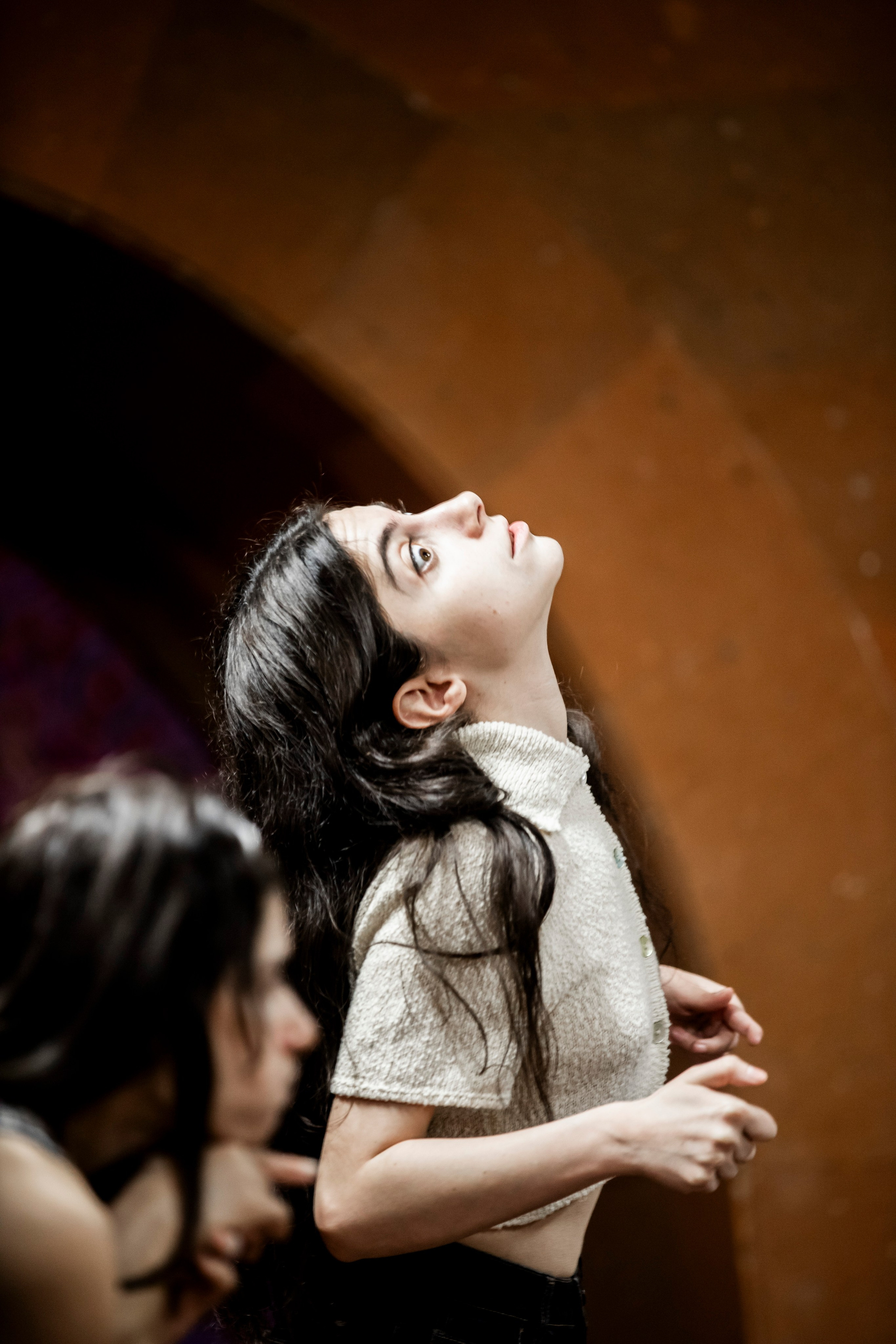
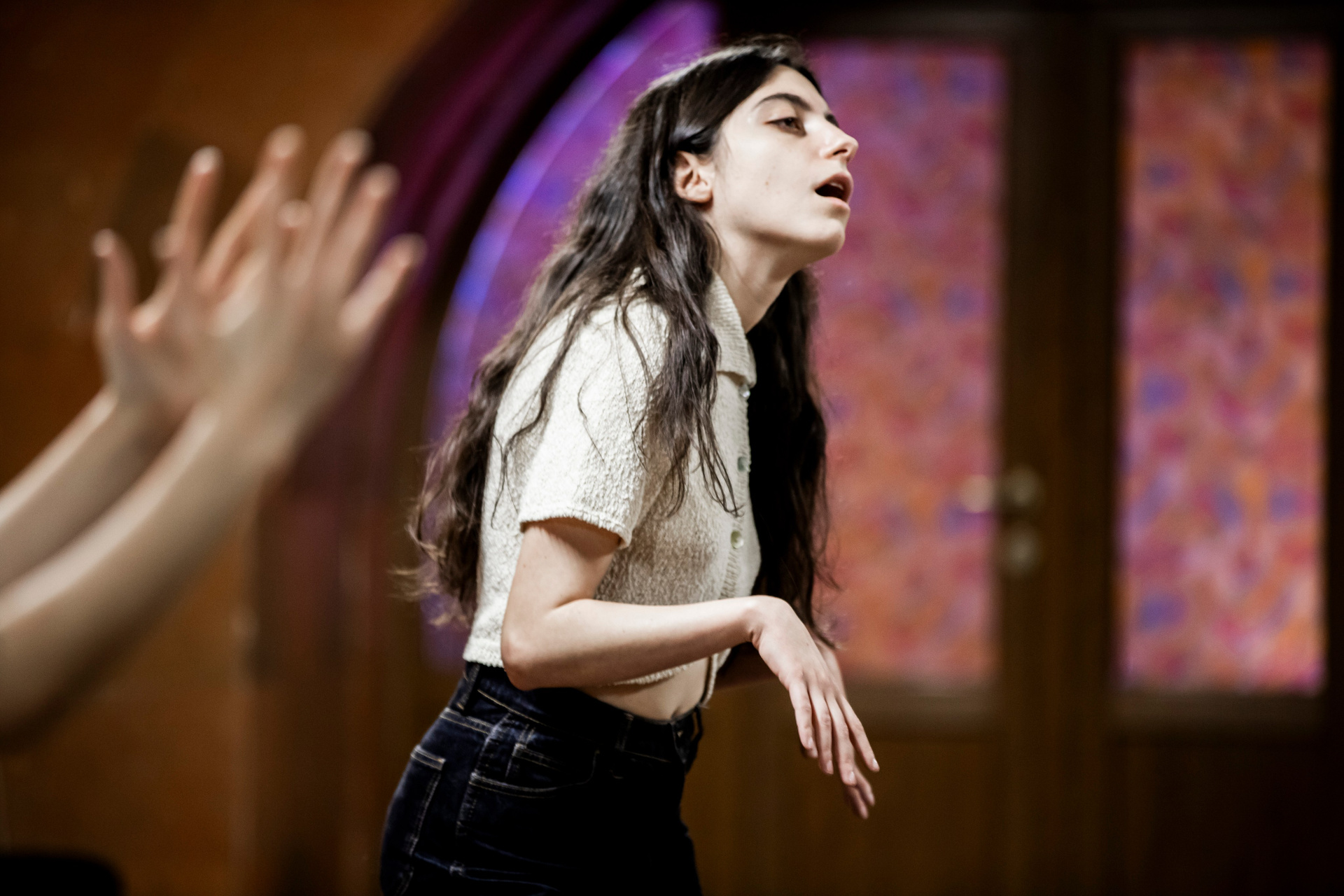
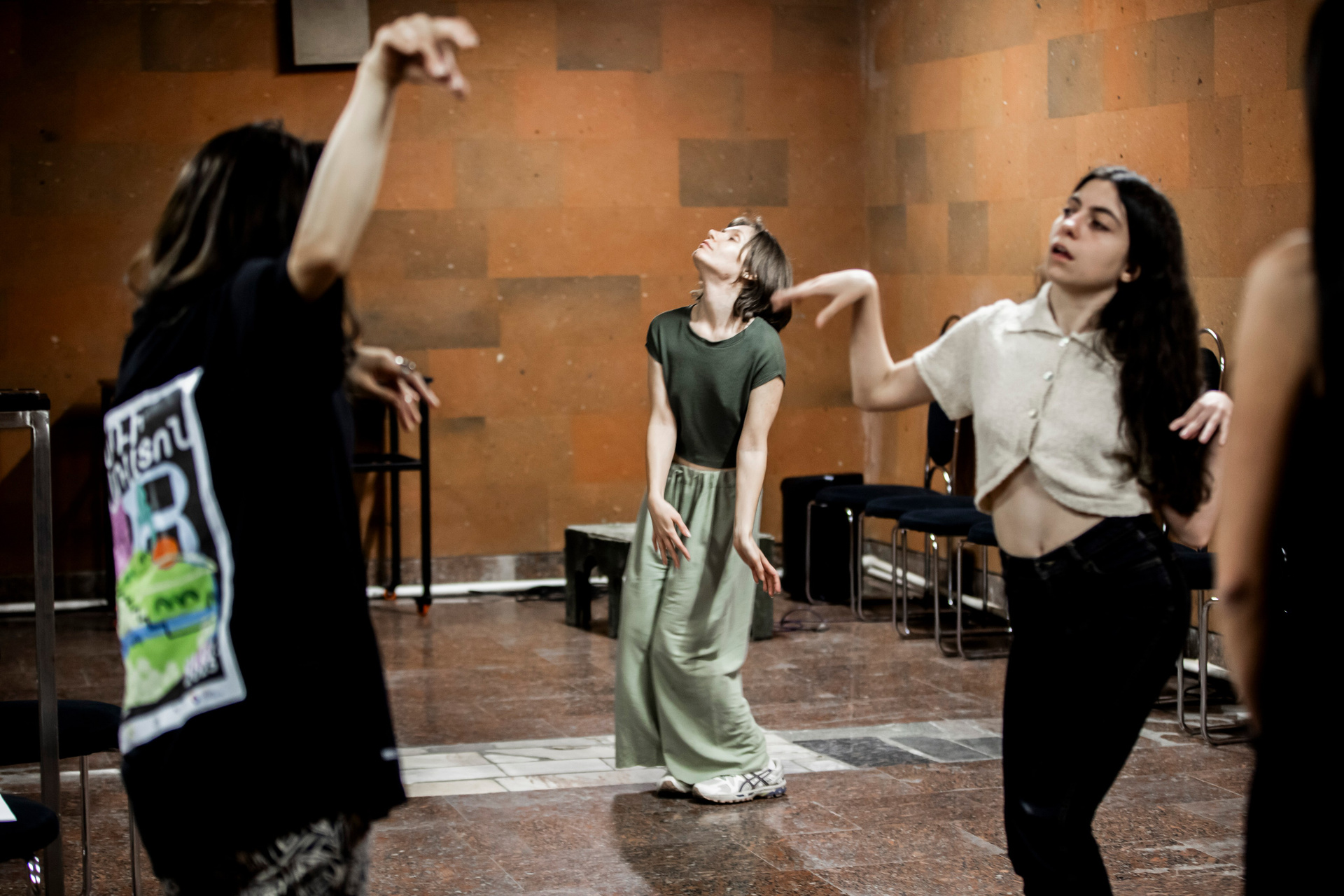
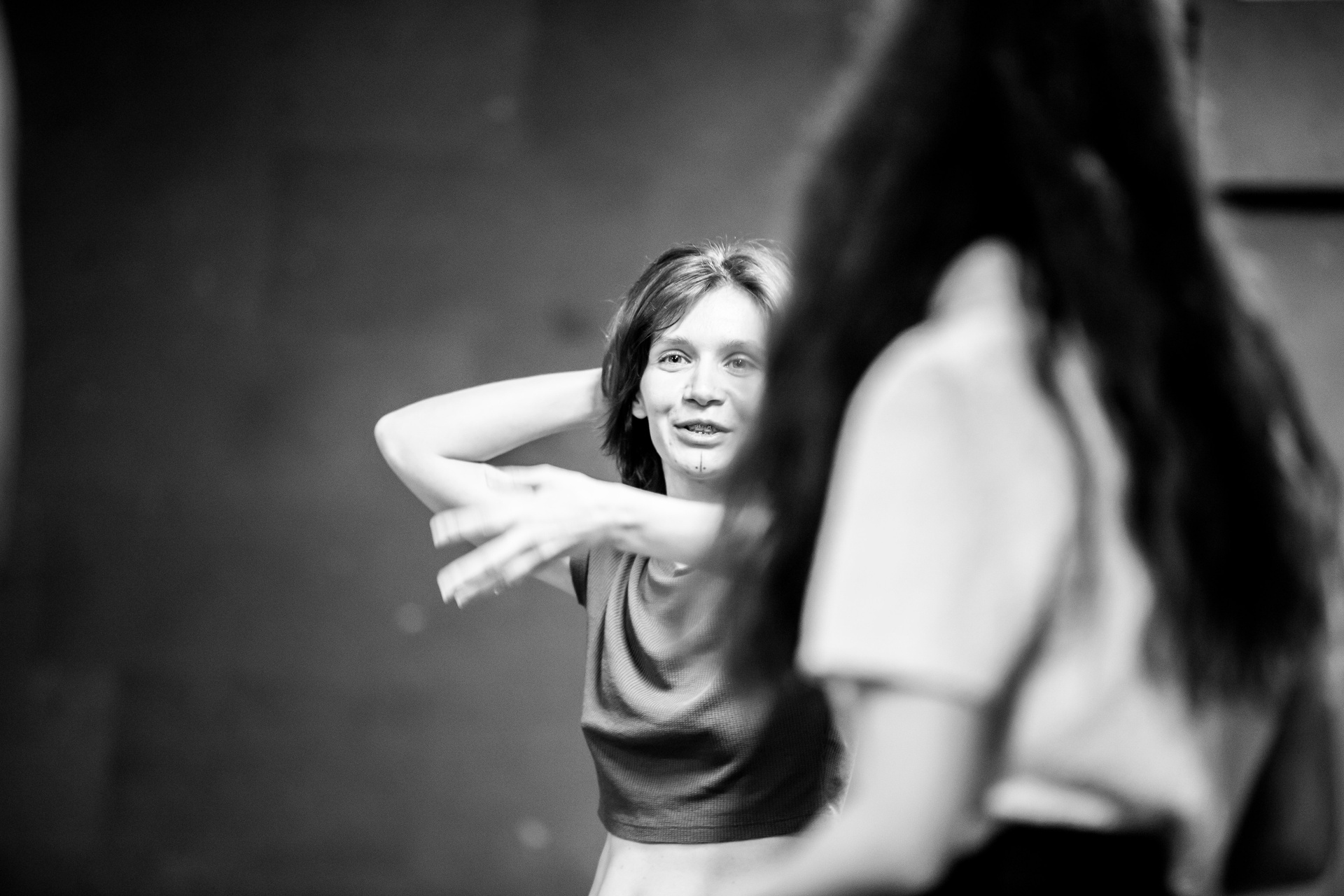
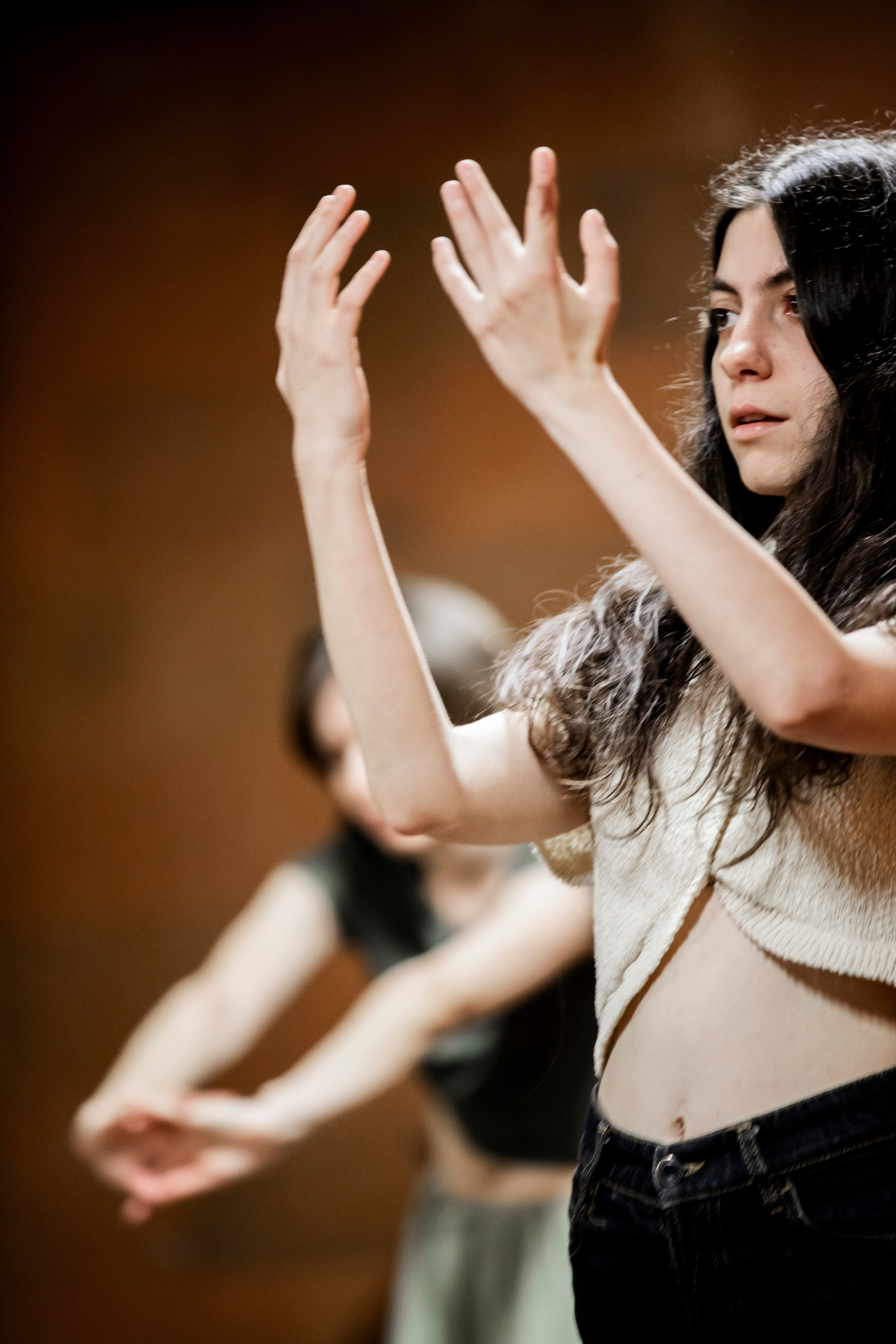
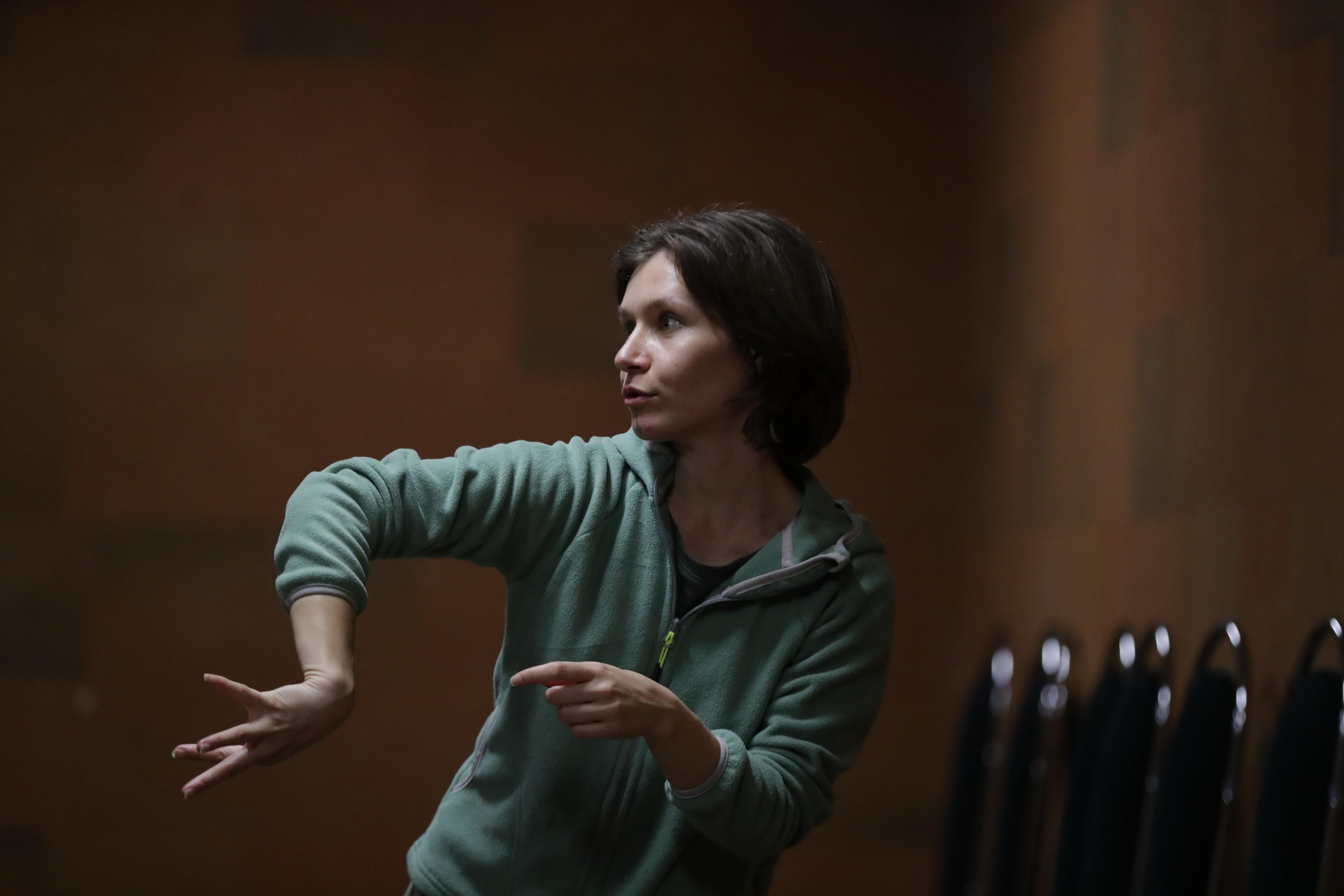
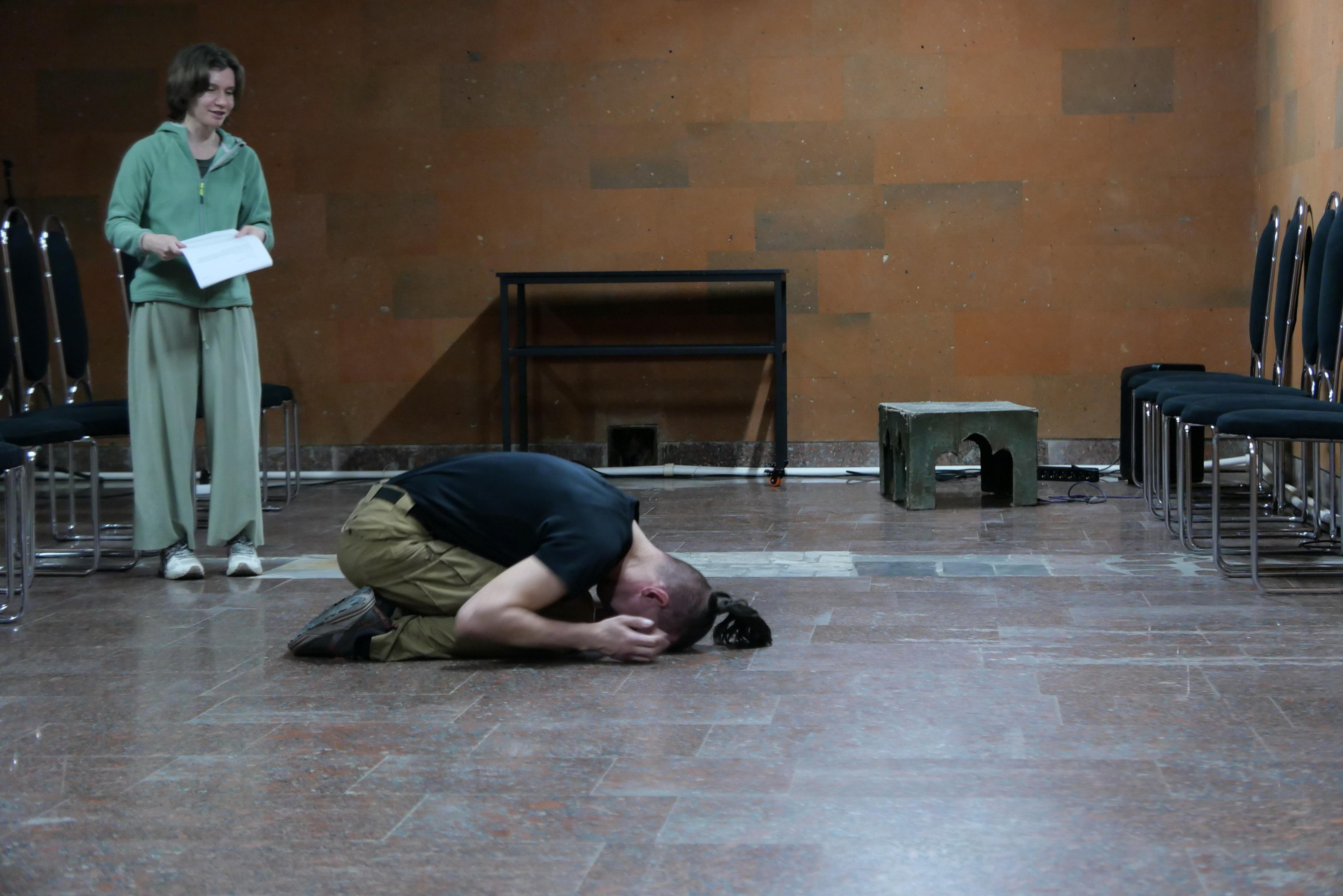
Only three women came—Armenian actresses who spoke all three languages. It quickly became easier and more engaging for them to work with me directly rather than listen to the same instructions repeated several times.
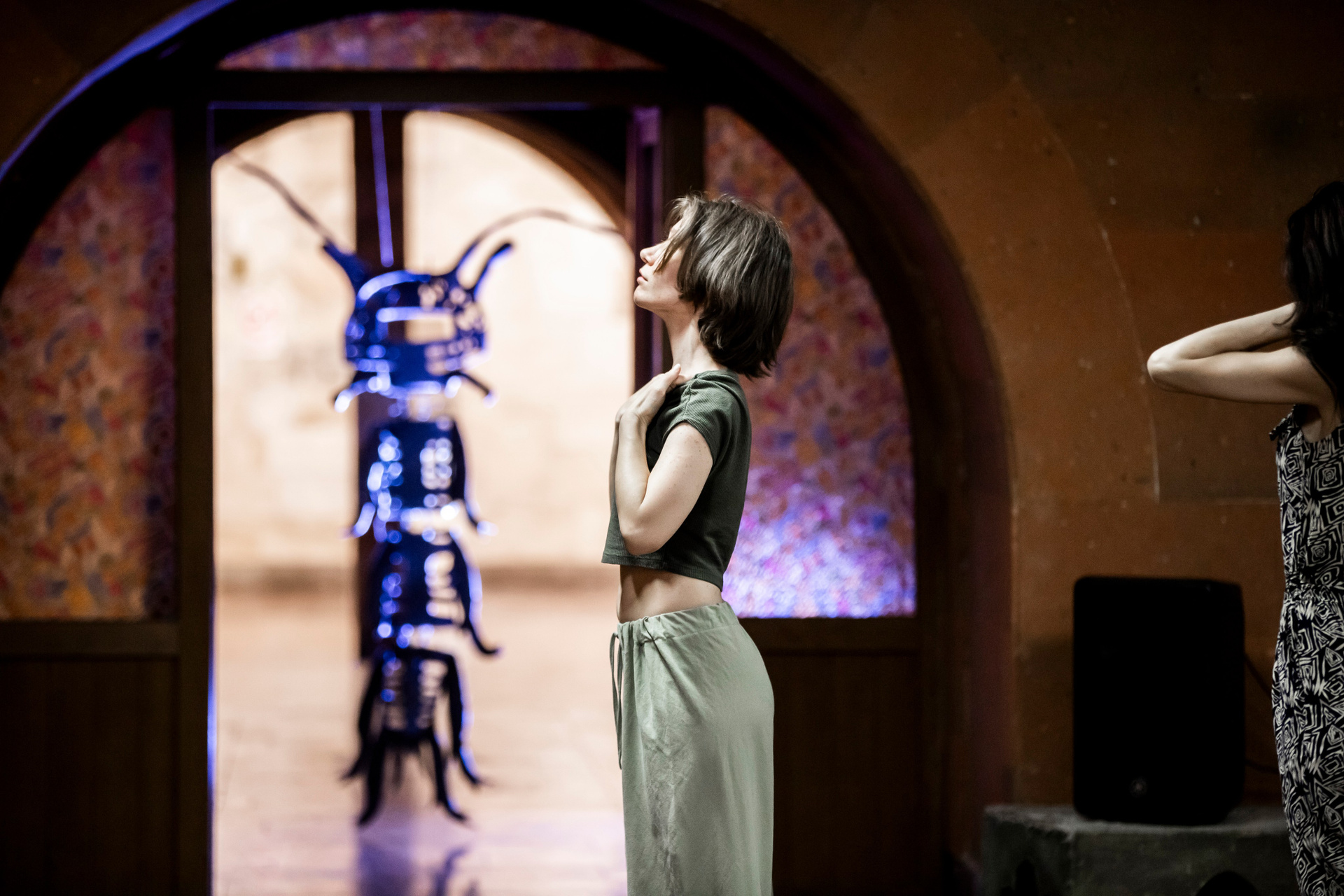
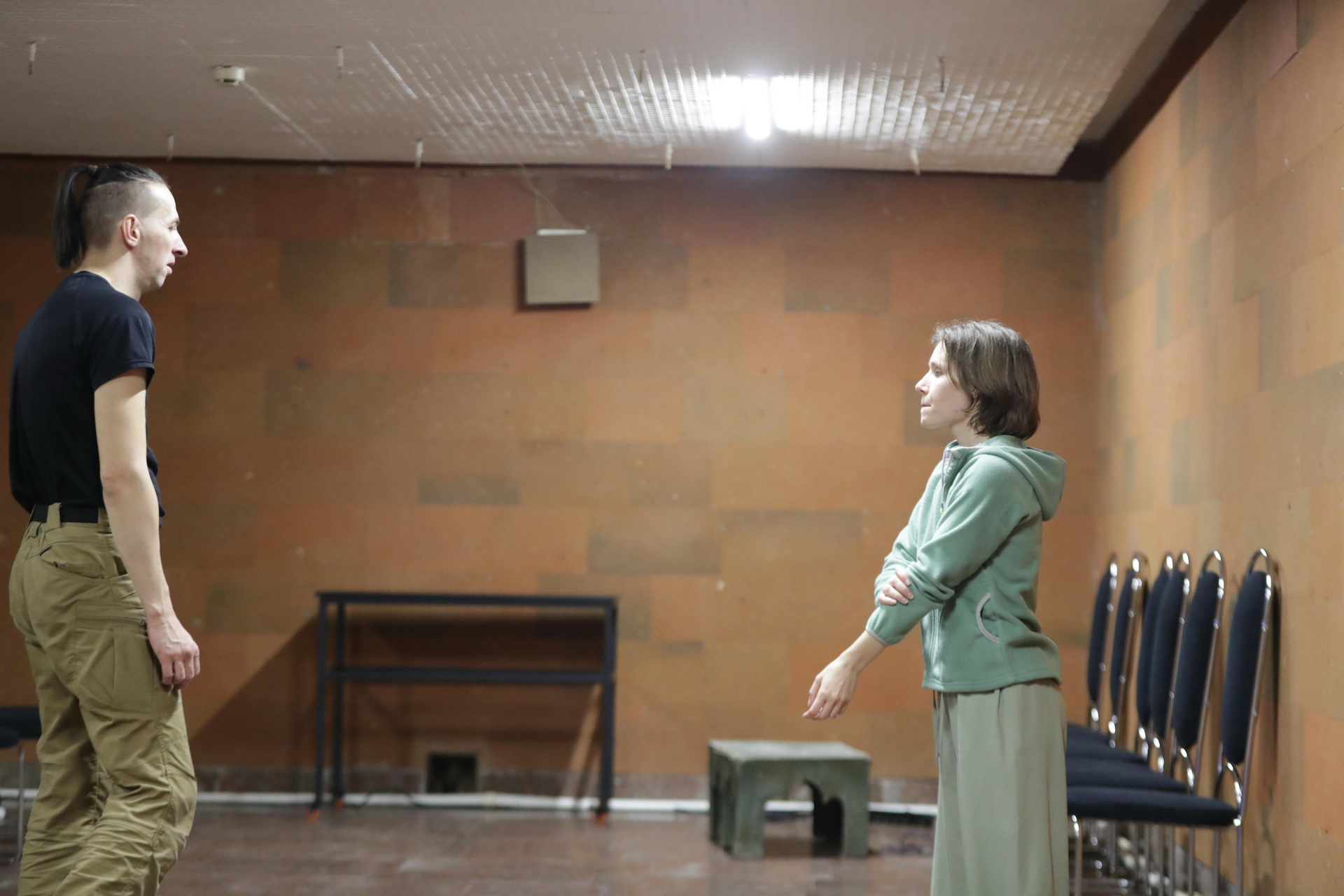
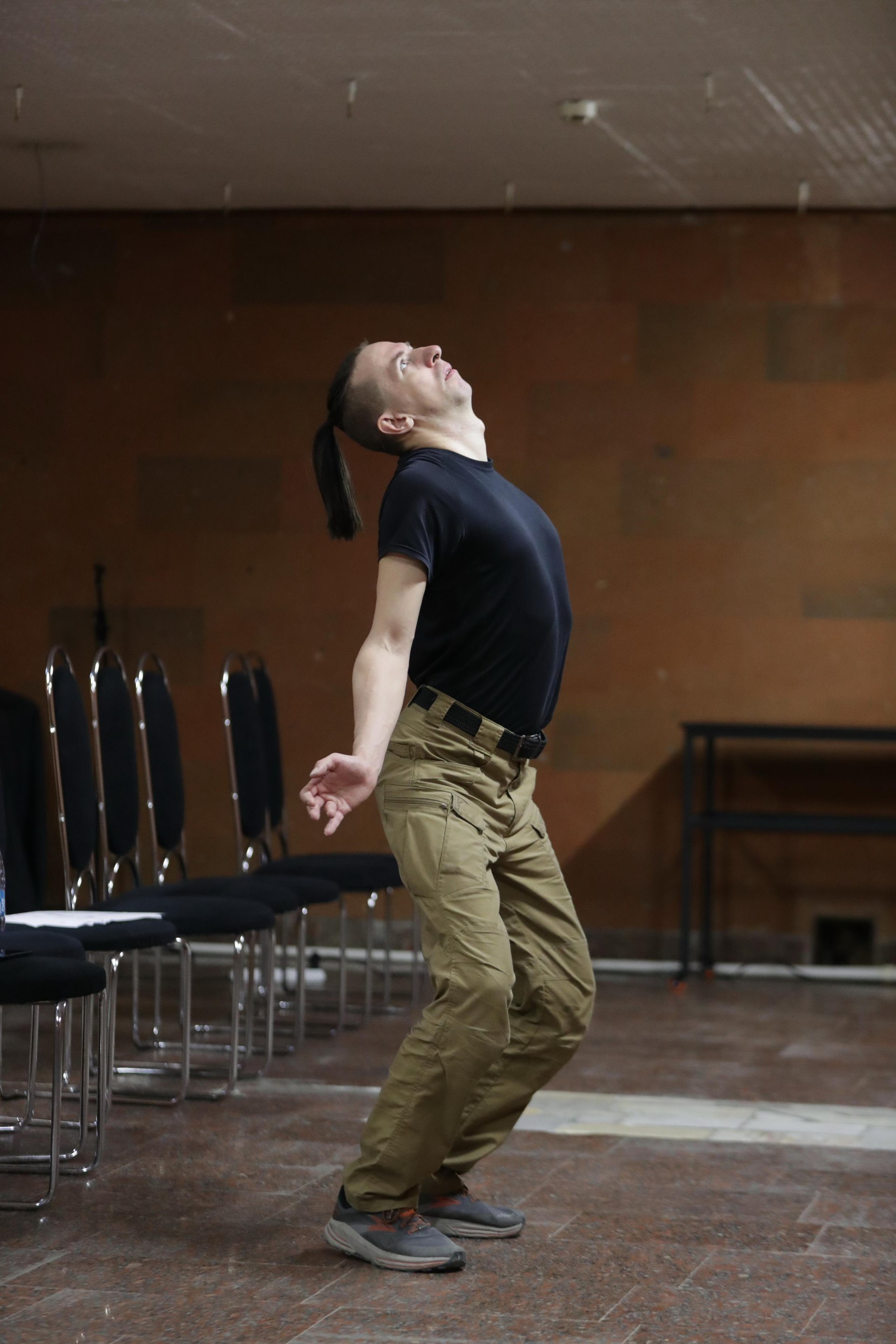
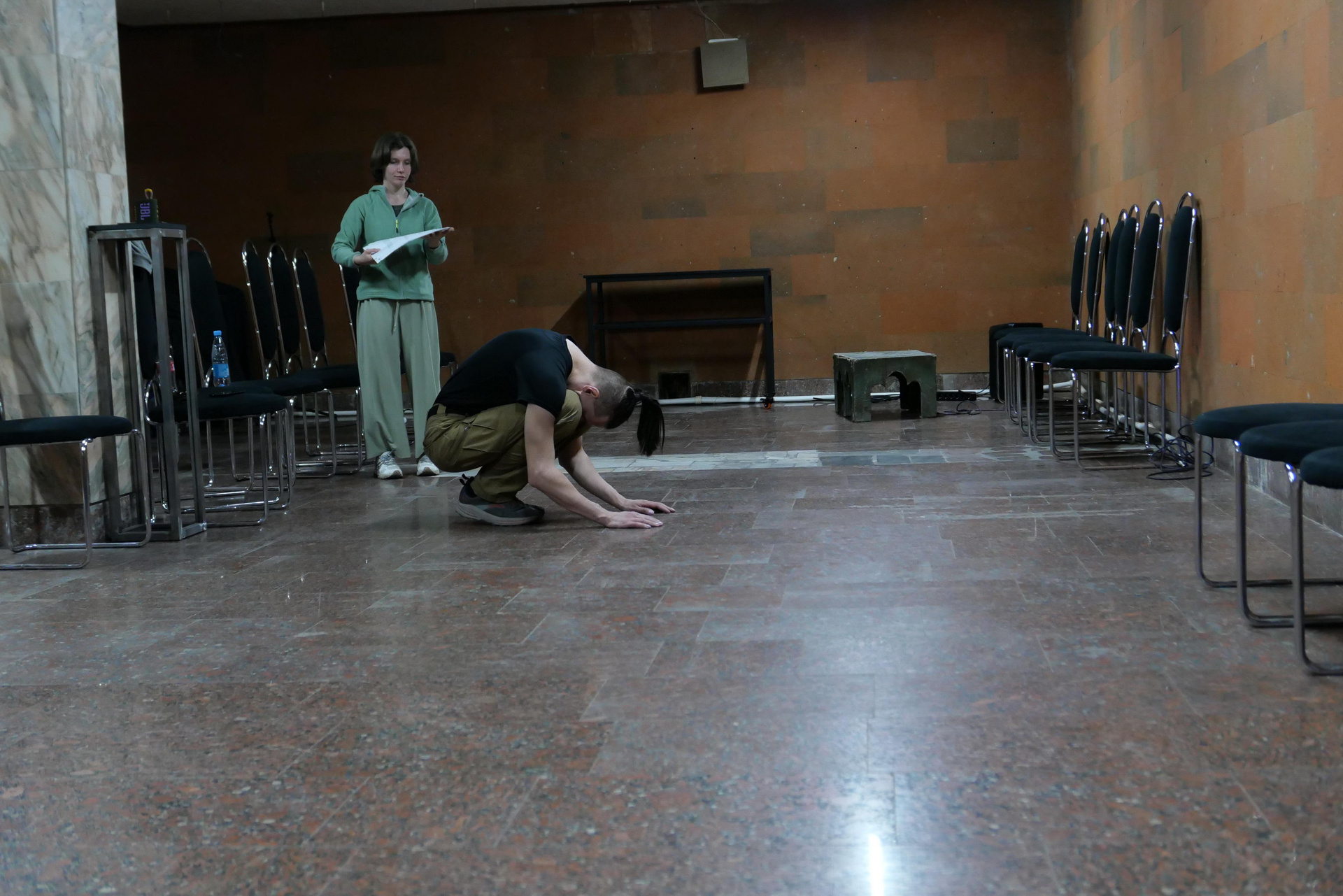
Summer heat had already arrived in Yerevan. The basement of the concert hall was significantly cooler than the outside air. At first this felt pleasant, but after about an hour and a half of typical Butoh practices, the participants became extremely cold. Although we worked standing up, we could not lie on the cold stone floor as many exercises would normally require.
I tried to find a warmer location nearby, something similar to the Field of Mars in Saint Petersburg, where such sessions often take place outdoors. However, the participants felt uncomfortable engaging in body-based practices in public space. Eventually they left.
I returned to the hall and waited for more people.
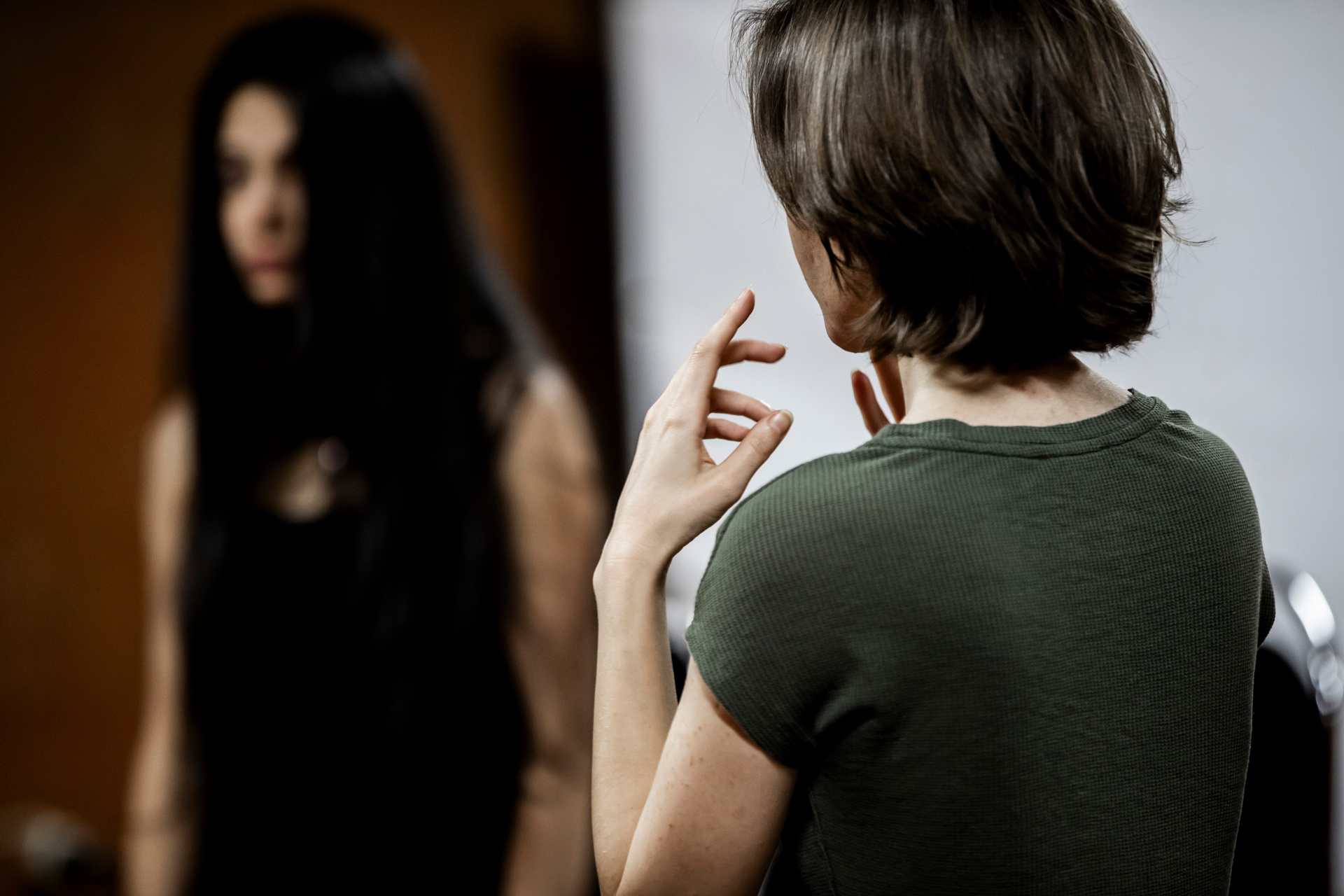
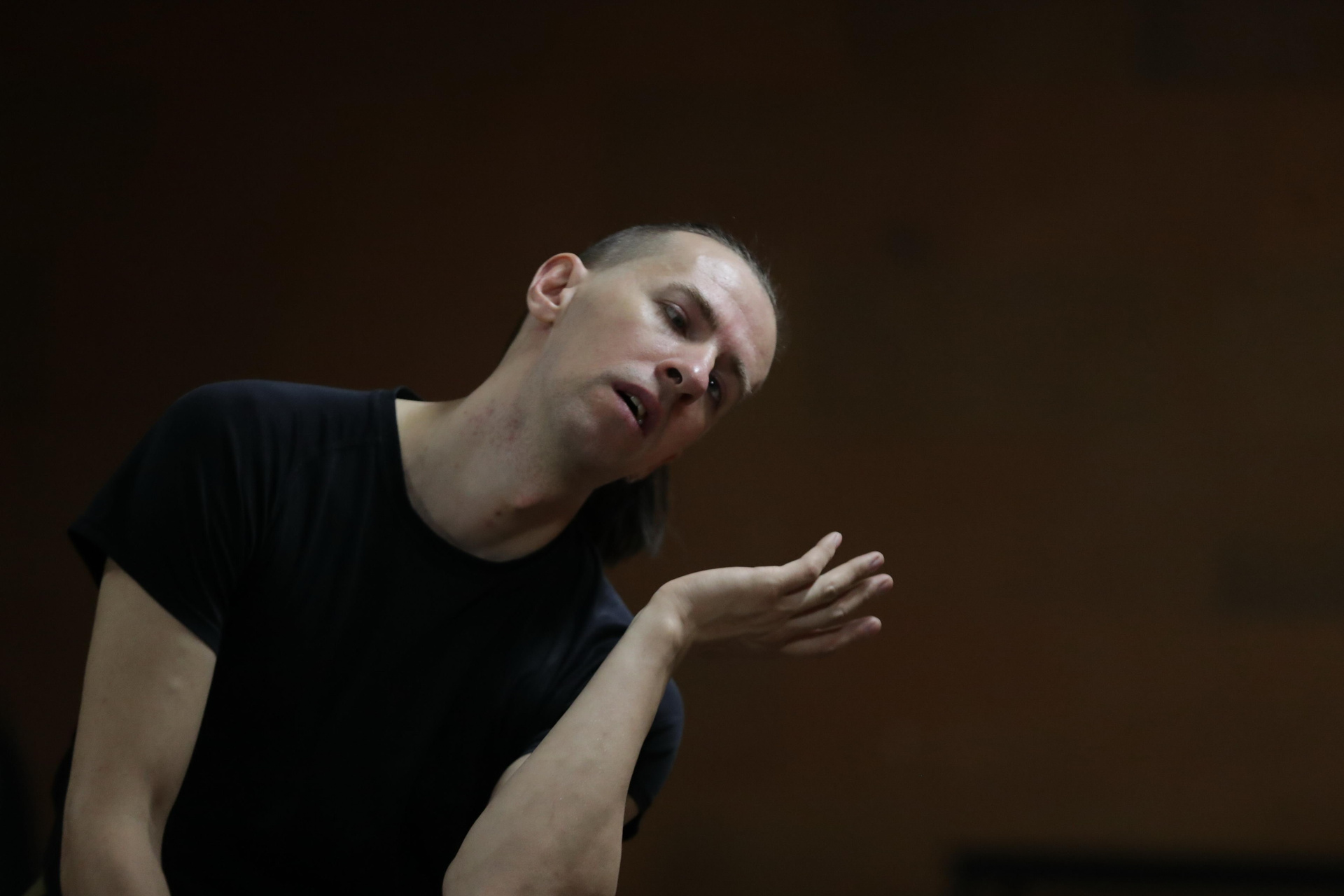
An American man named Jason arrived. He also practiced Butoh. Using an audio translation application, we exchanged exercises from his experience and mine.
During this time, dance artist Tina Hayrapetyan arrived. She helped with translation and observed our work, occasionally assisting us in understanding one another and translating more complex concepts between Russian and English.
Yet it seemed to me that the willingness to literally follow instructions one did not entirely understand created the deepest level of engagement with the practice.
Day Two
Only one participant came: Armine, an Armenian sinologist.
We ended up having a wonderful conversation about the differences and intersections between European, Russian, Armenian, Chinese, and Japanese cultures, discussing embodiment, dance and theatre practices, the social constraints placed on women, the relationship between environment and individual identity, and many related topics.
Later, an acquaintance of mine arrived. I handed him a deck of printed practice cards and asked which exercises intrigued him most. We then had an individual session based on his choices, continuing until we began to feel cold again.
Looking back, I realize that what I had imagined as a continuous collective experience became something entirely different: a series of intimate encounters, misunderstandings, and shared acts of curiosity. It became a lesson in adapting to reality and in appreciating the depth of exchange that can emerge even when only two people are involved. And as a result, I was left with a complete set of materials for a ten-hour Butoh intensive in three languages!
Special thanks to dance artist Tina Hayrapetian for translating the workshop instructions into Armenian.
Photography: Yulia, Ed Tadevossian